
|
PEARLPaleoecologicalEnvironmentalAssessment andResearchLaboratory |

|
- Home
- People
- Research
- Outreach
- Blog
|
|
PEARLPaleoecologicalEnvironmentalAssessment andResearchLaboratory |
|
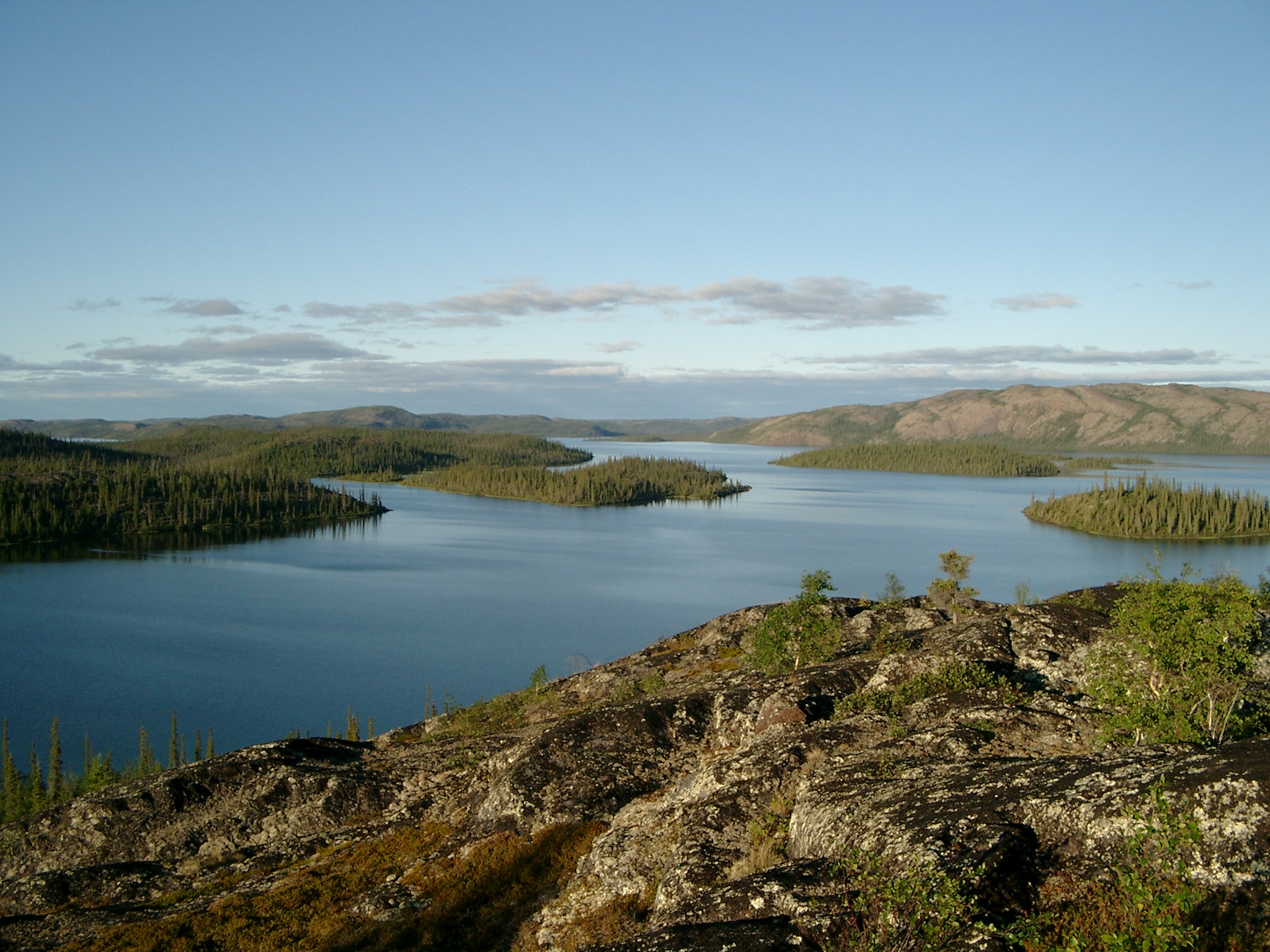
Photo taken from the shorelines of Great Bear Lake during the summer.
Photo credit: Kimberly L. Howland, Fisheries and Oceans Canada (DFO).
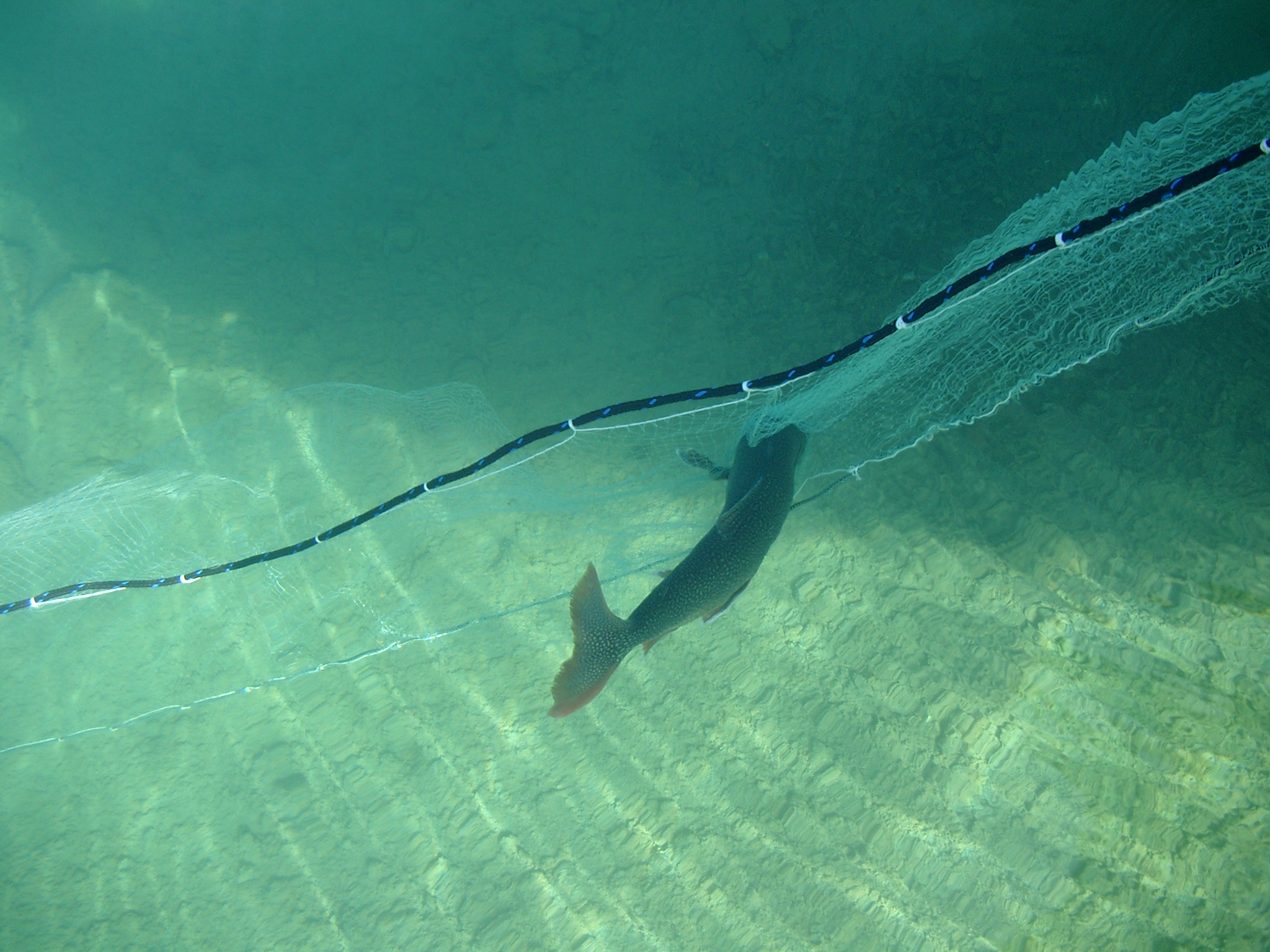
Lake Trout caught in gill net on Great Bear Lake. Changes in the composition of algae at the bottom of the food web will likely have impacts on upper trophic levels including fish.
Photo credit: Kimberly L. Howland, Fisheries and Oceans Canada (DFO).
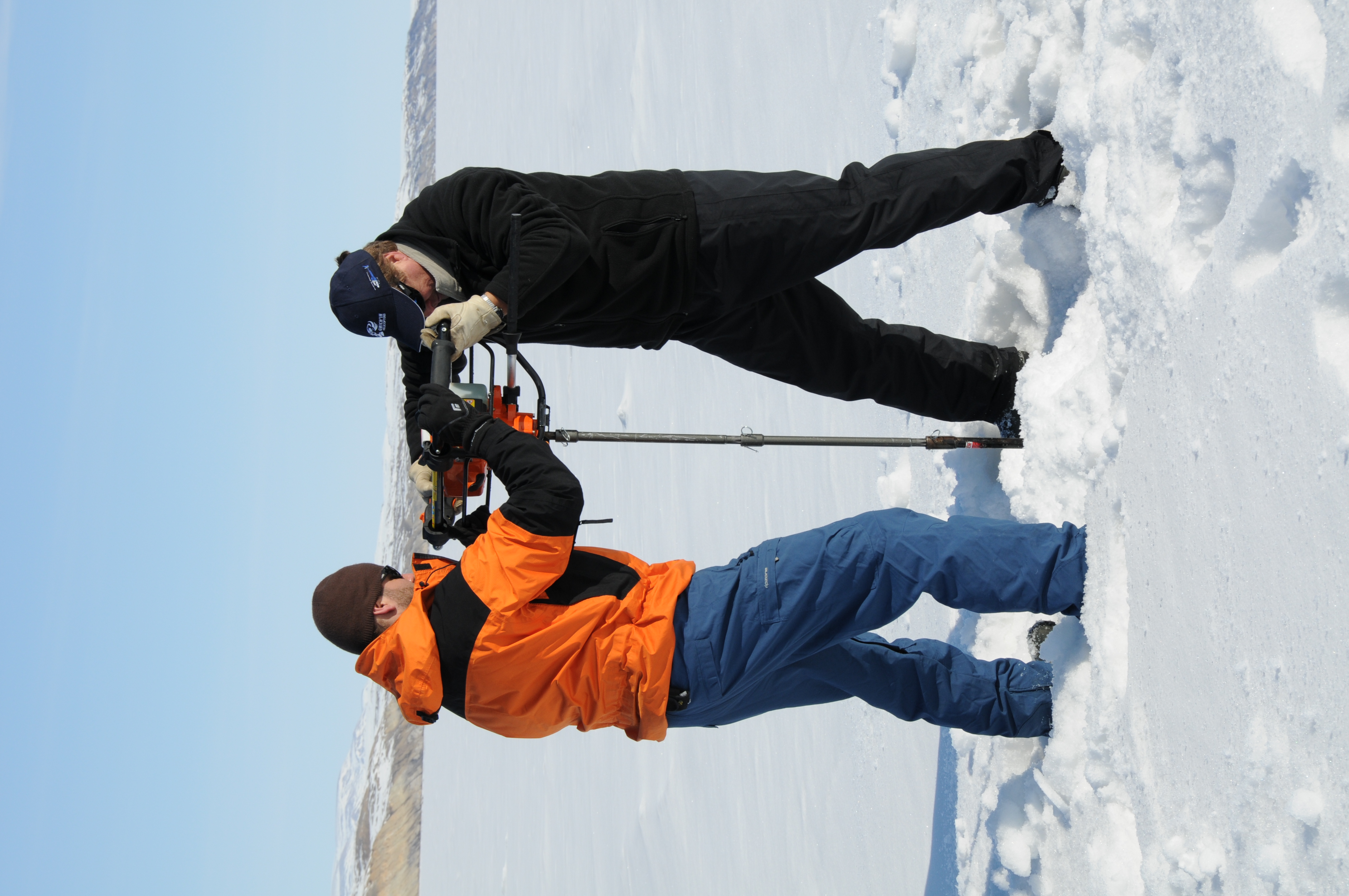
Drilling a hole through ice with an augur in preparation for sediment core retrieval on Lake Hazen.
Photo credit: Vincent St. Louis, University of Alberta
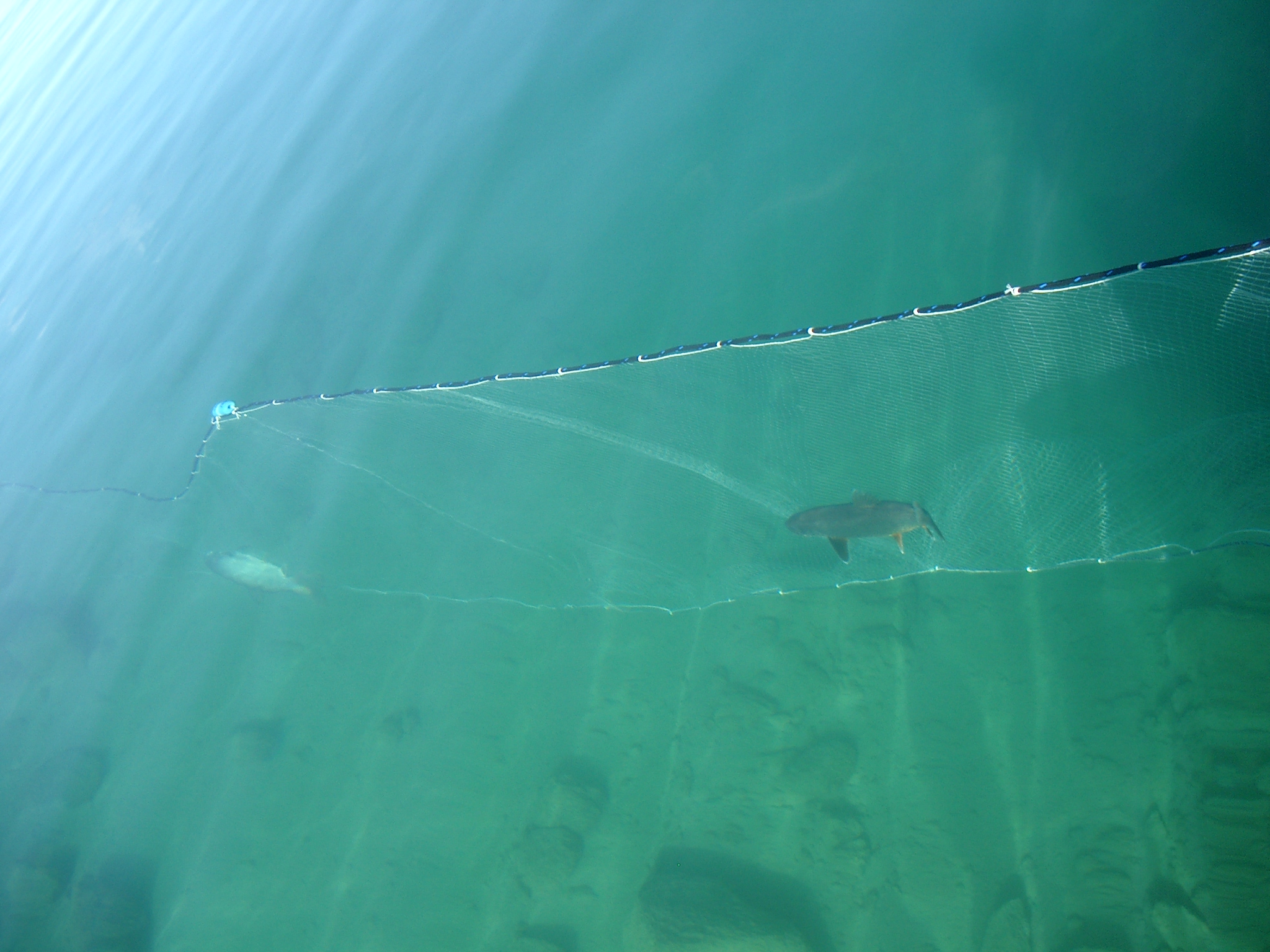
Lake Trout caught in gill net on Great Bear Lake. Changes in the composition of algae at the bottom of the food web will likely have impacts on upper trophic levels including fish.
Photo credit: Kimberly L. Howland, Fisheries and Oceans Canada (DFO).
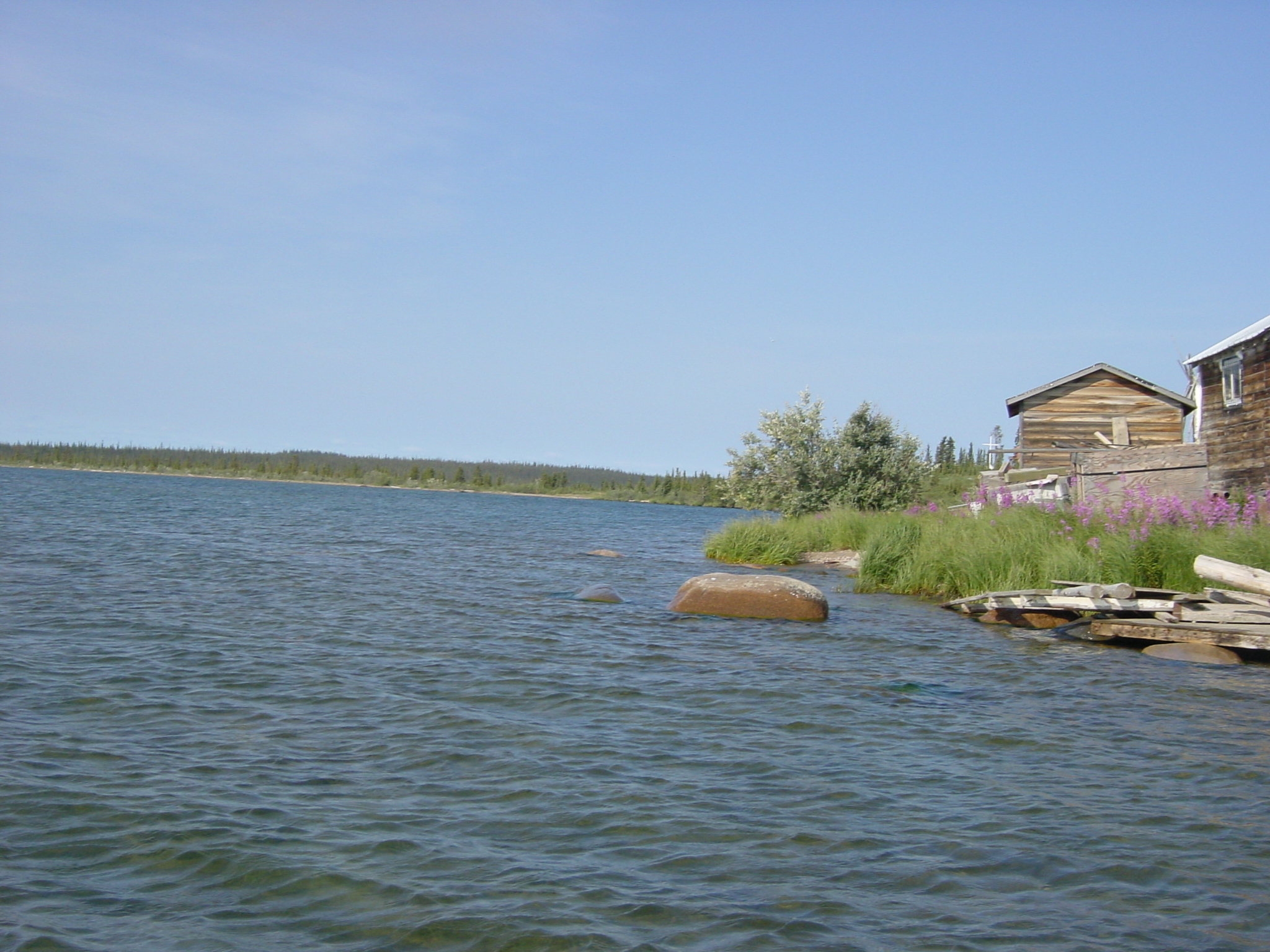
Cabins along the shore of Great Bear Lake.
Photo credit: Kimberly L. Howland, Fisheries and Oceans Canada (DFO).
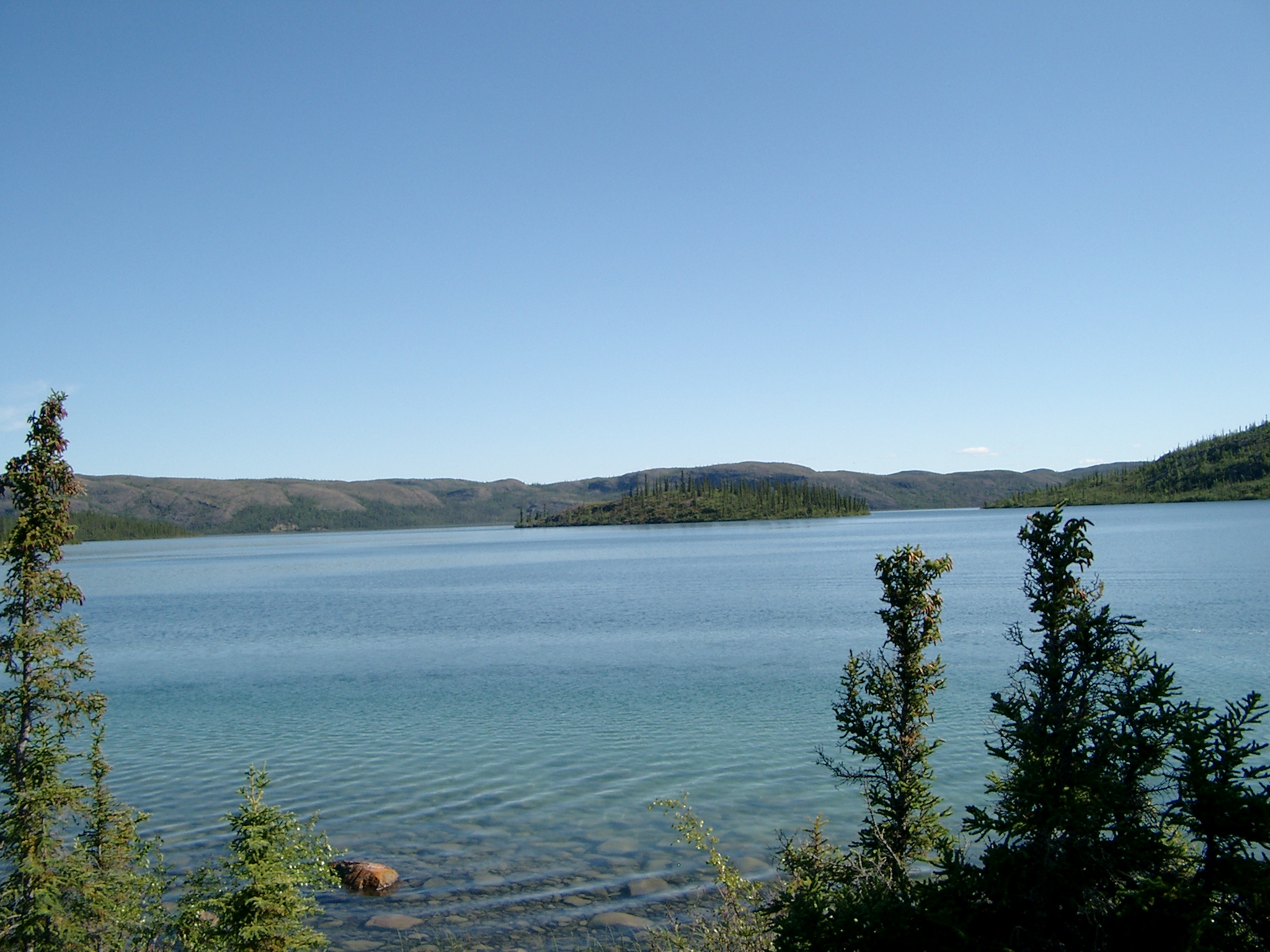
A view from the shores of Great Bear Lake in the summer.
Photo credit: Kimberly L. Howland, Fisheries and Oceans Canada (DFO).
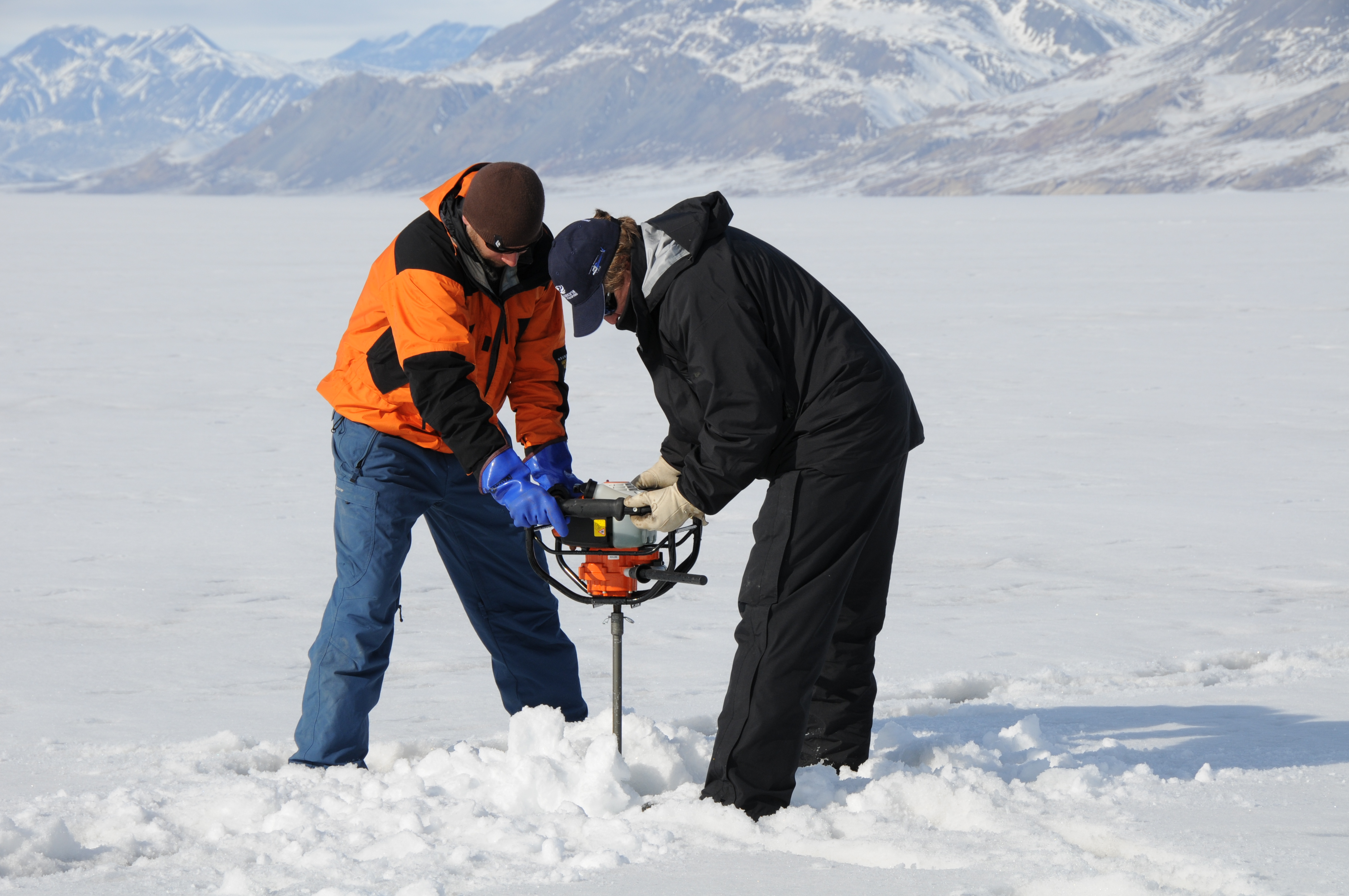
Using an augur to drill a hole through ice for sediment core retrieval on Lake Hazen.
Photo credit: Vincent St. Louis, University of Alberta
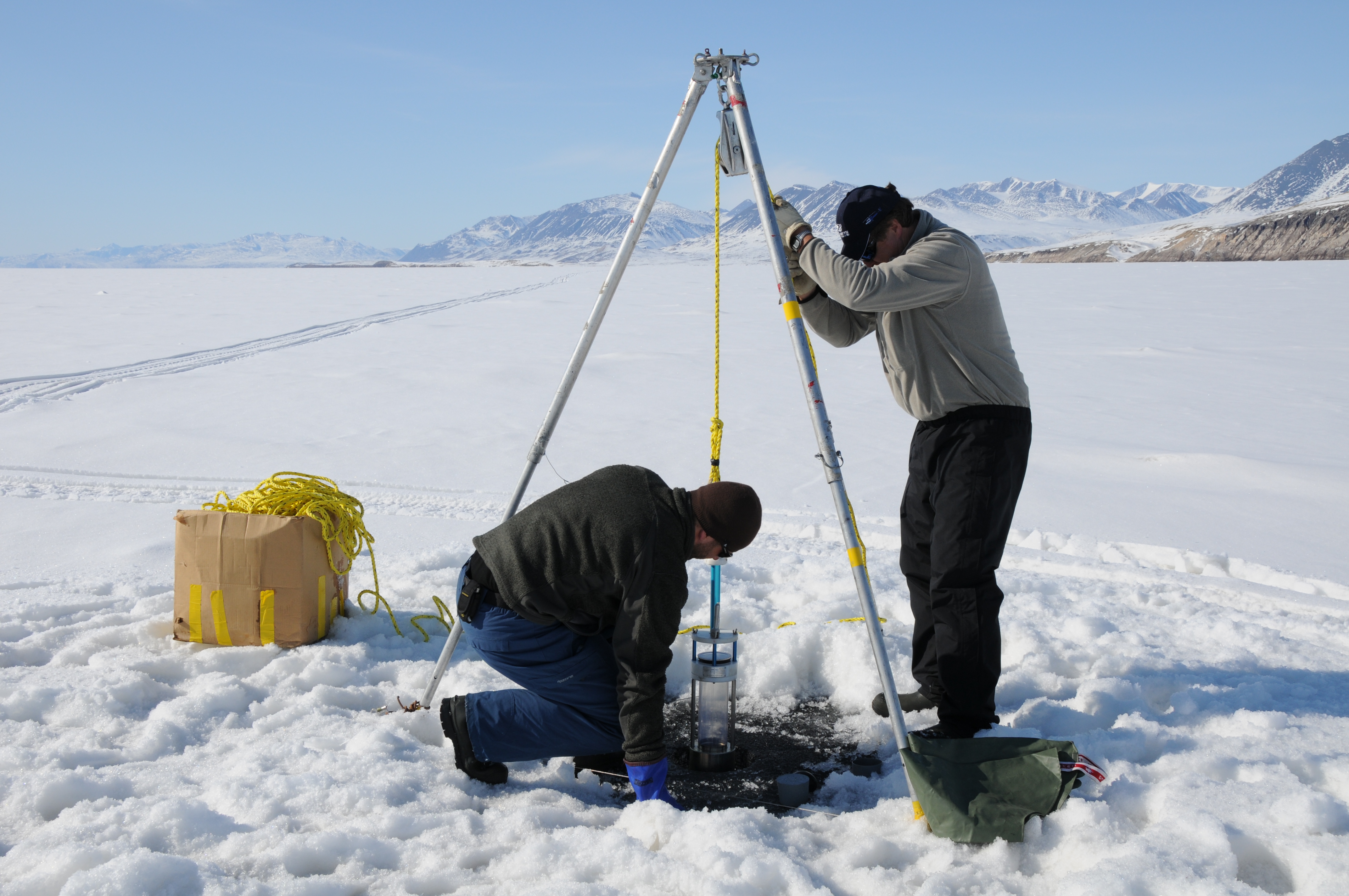
Retrieving a sediment core through ice on Lake Hazen.
Photo credit: Vincent St. Louis, University of Alberta
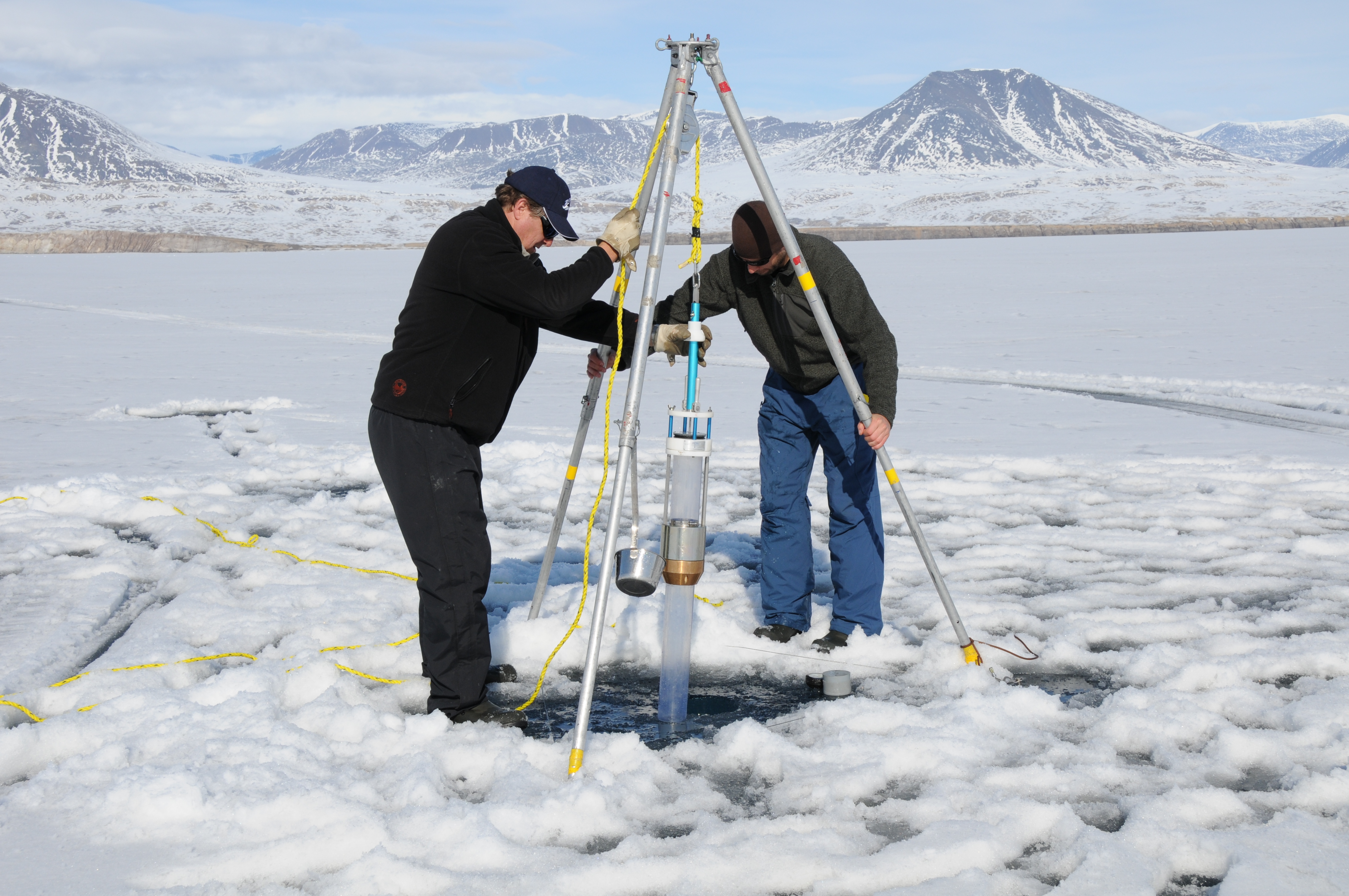
Preparing to retrieve a sediment core through ice on Lake Hazen.
Photo credit: Vincent St. Louis, University of Alberta
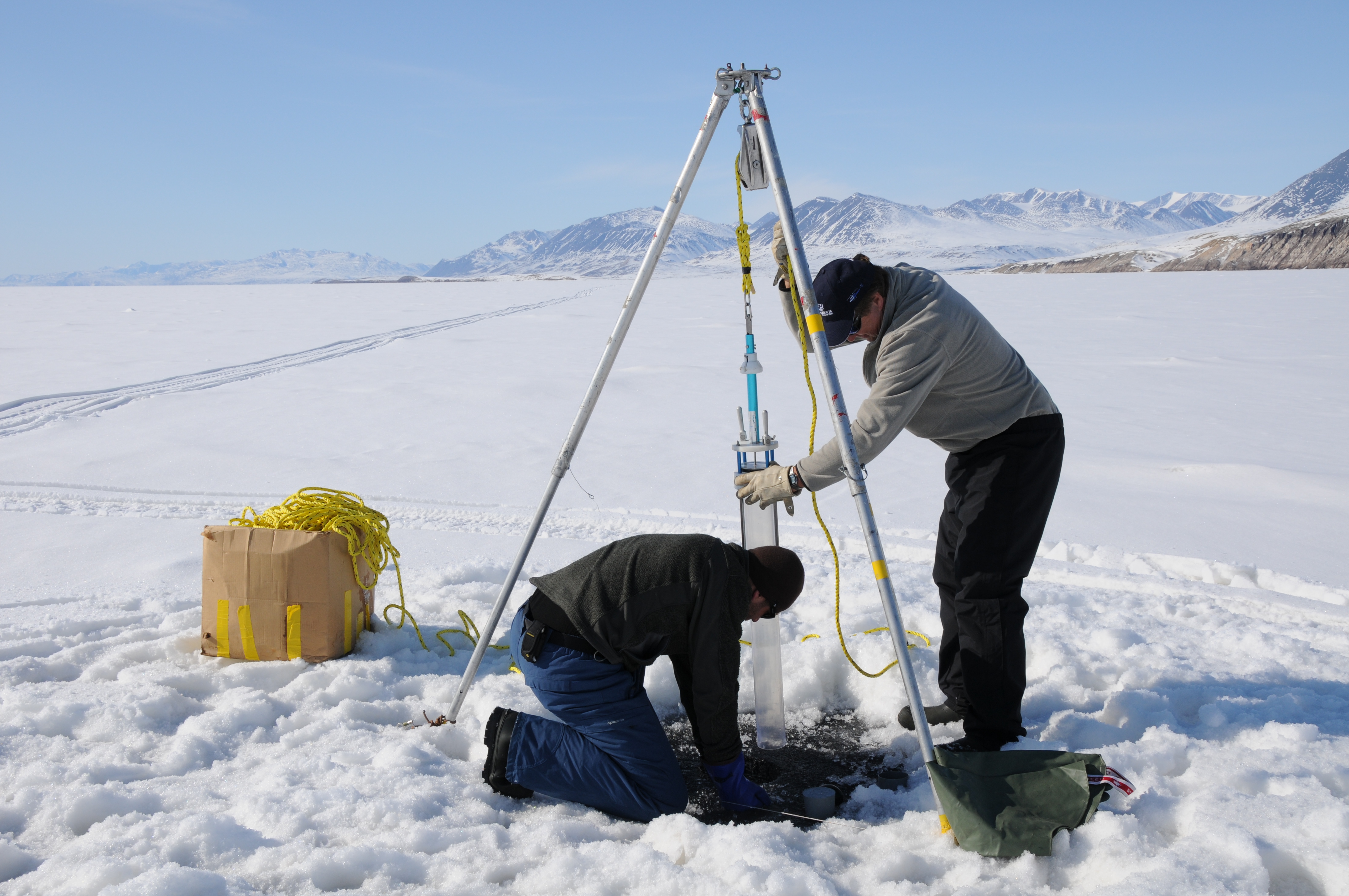
Retrieving a sediment core through ice on Lake Hazen.
Photo credit: Vincent St. Louis, University of Alberta
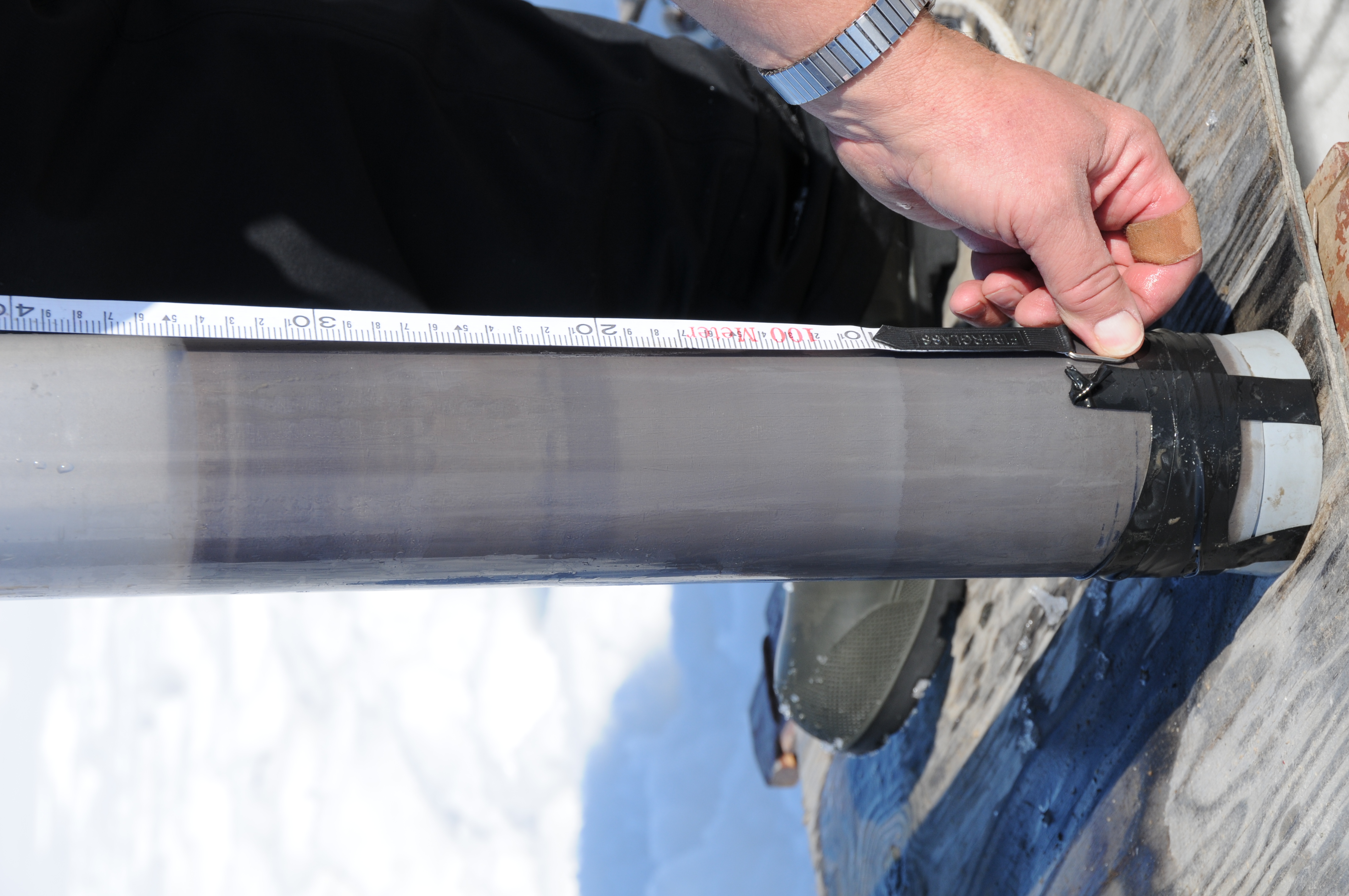
A beautiful sediment core retrieved from Lake Hazen.
Photo credit: Vincent St. Louis, University of Alberta
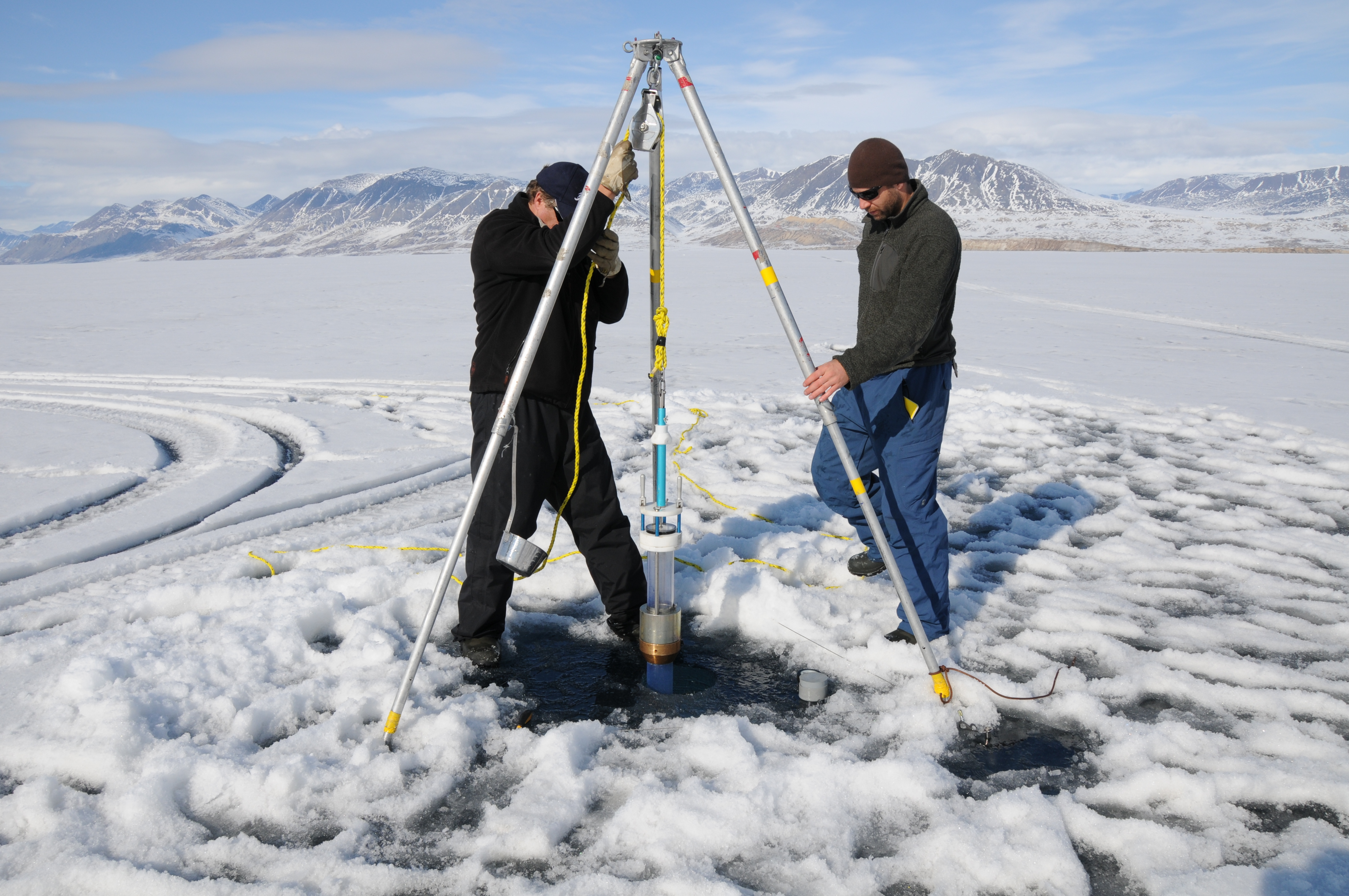
Retrieving a sediment core through ice on Lake Hazen.
Photo credit: Vincent St. Louis, University of Alberta
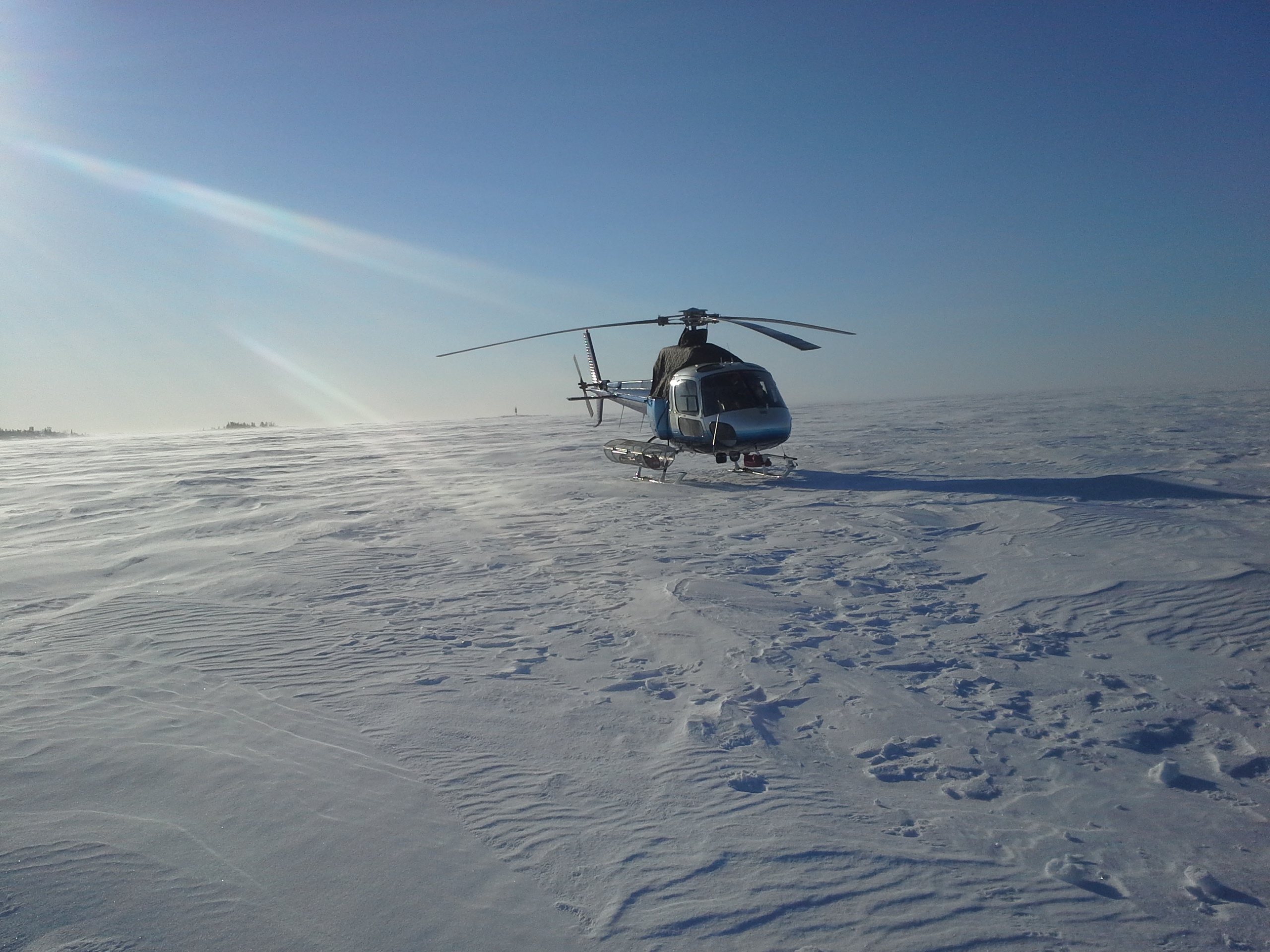
Sediment core sampling on Great Slave Lake by helicopter.
Photo credit: Marlene Evans/Shannon Landels, Environment and Climate Change Canada (ECCC).
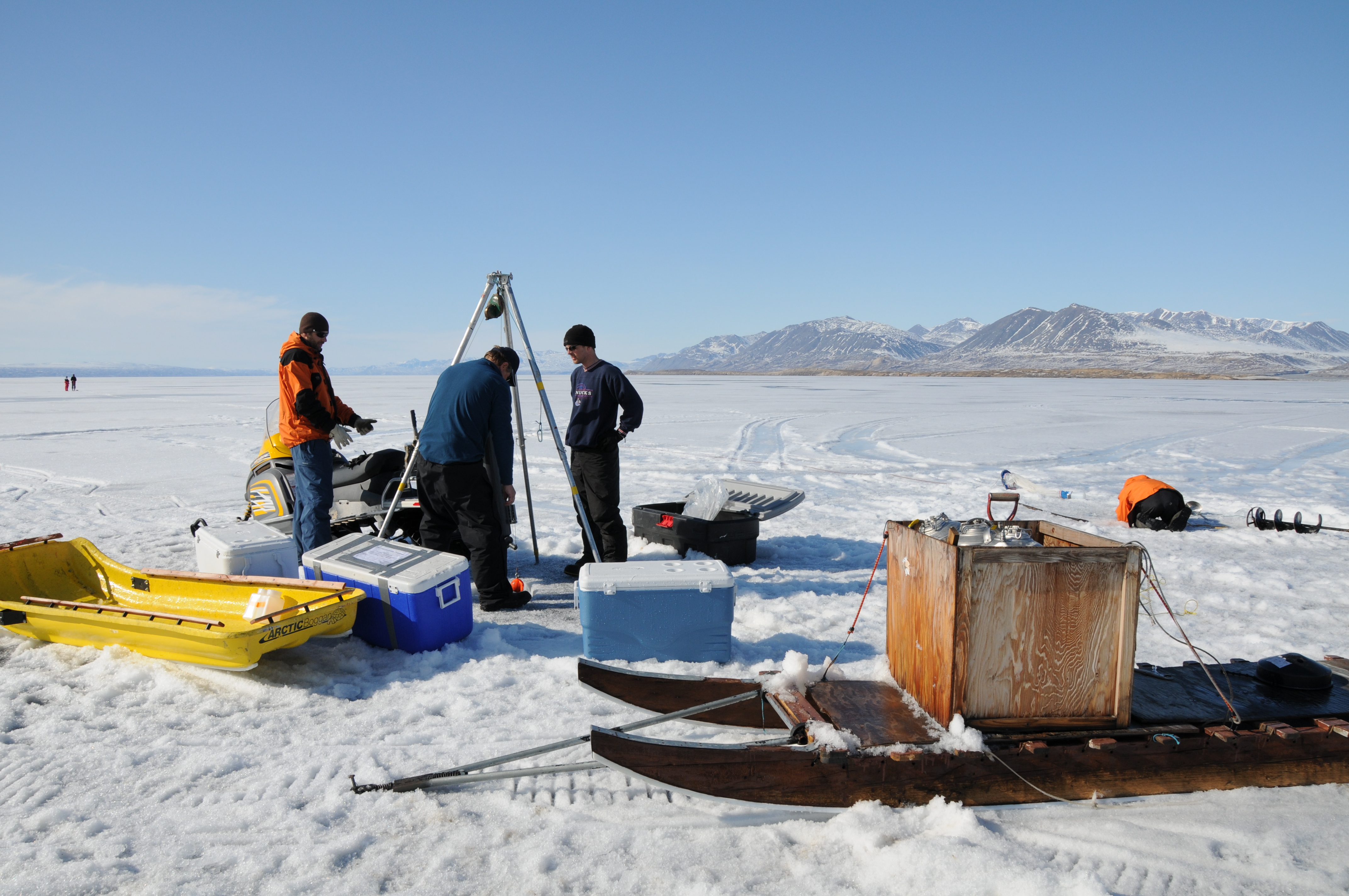
Water sampling around corer on Lake Hazen.
Photo credit: Vincent St. Louis, University of Alberta
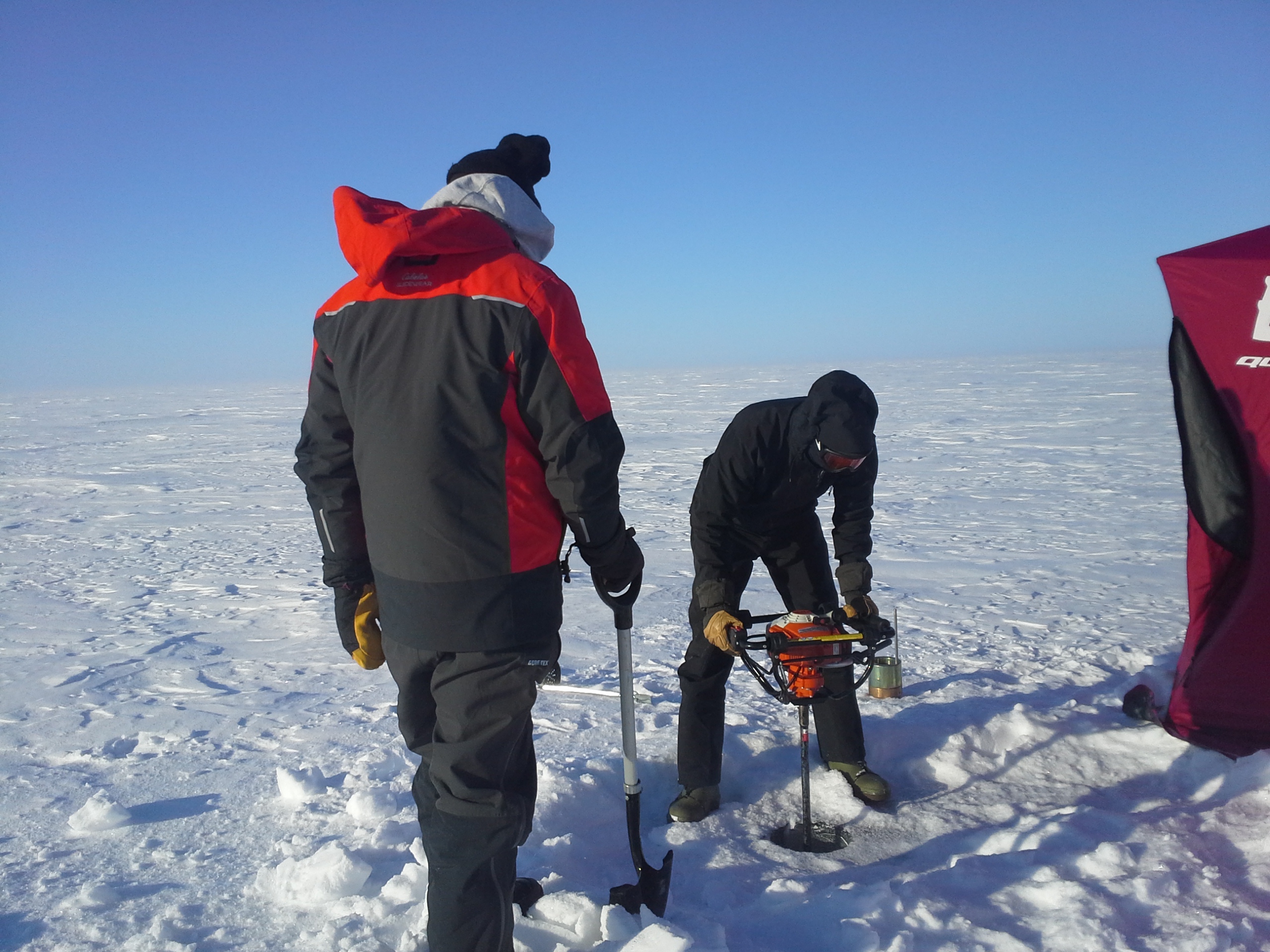
Using an ice auger to drill a hole through the ice on Great Slave Lake, March 2014. The red tent visible on the right edge of photo is set up to provide shelter and to heat water for thawing equipment.
Photo credit: Marlene Evans/Shannon Landels, Environment and Climate Change Canada (ECCC)
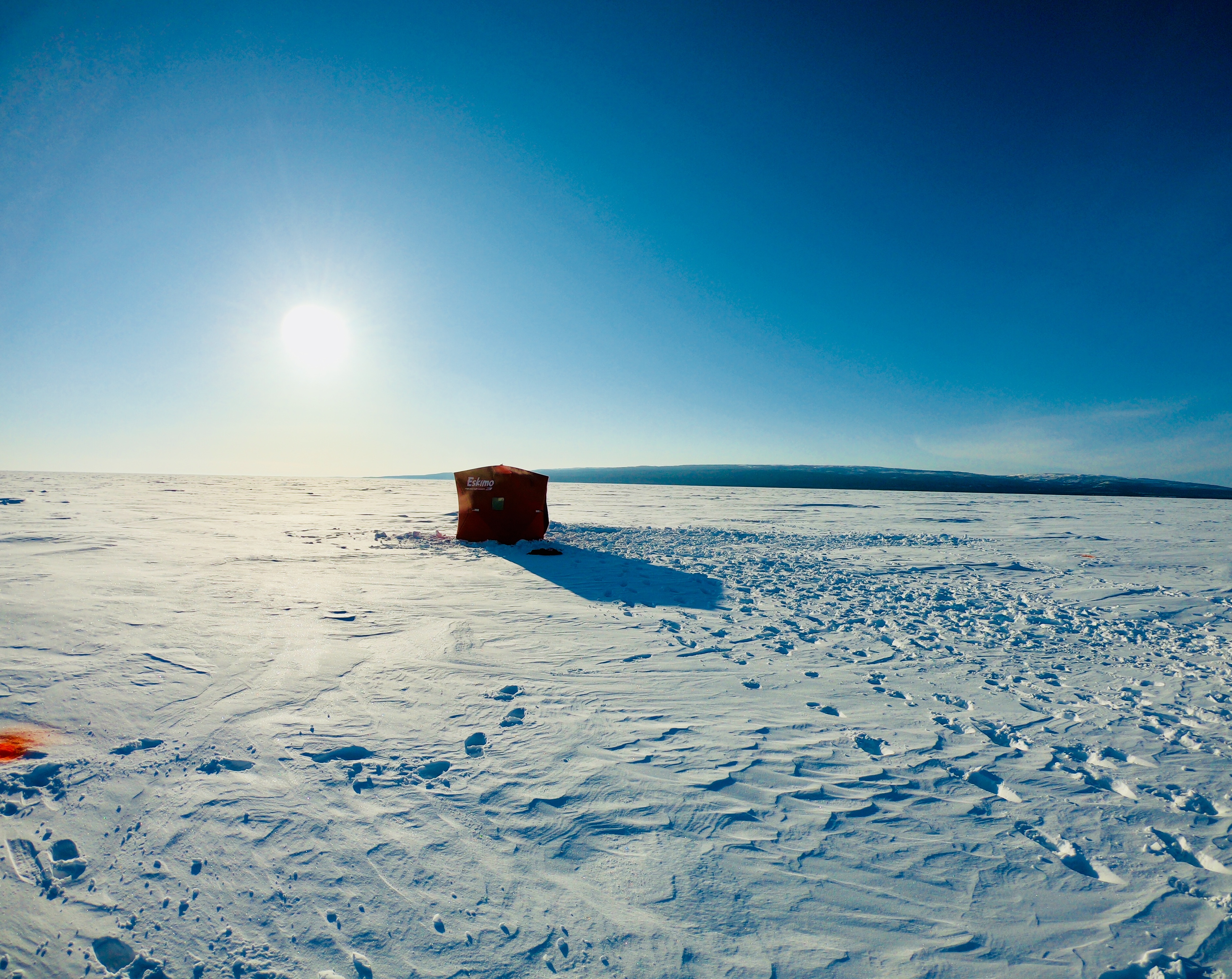
Preparing to retrieve a sediment core from McVicar Arm, Great Bear Lake. The red tent is used to provide shelter and to heat water for thawing equipment.
Photo credit: Andrew Mummery, Environment and Climate Change Canada (ECCC).
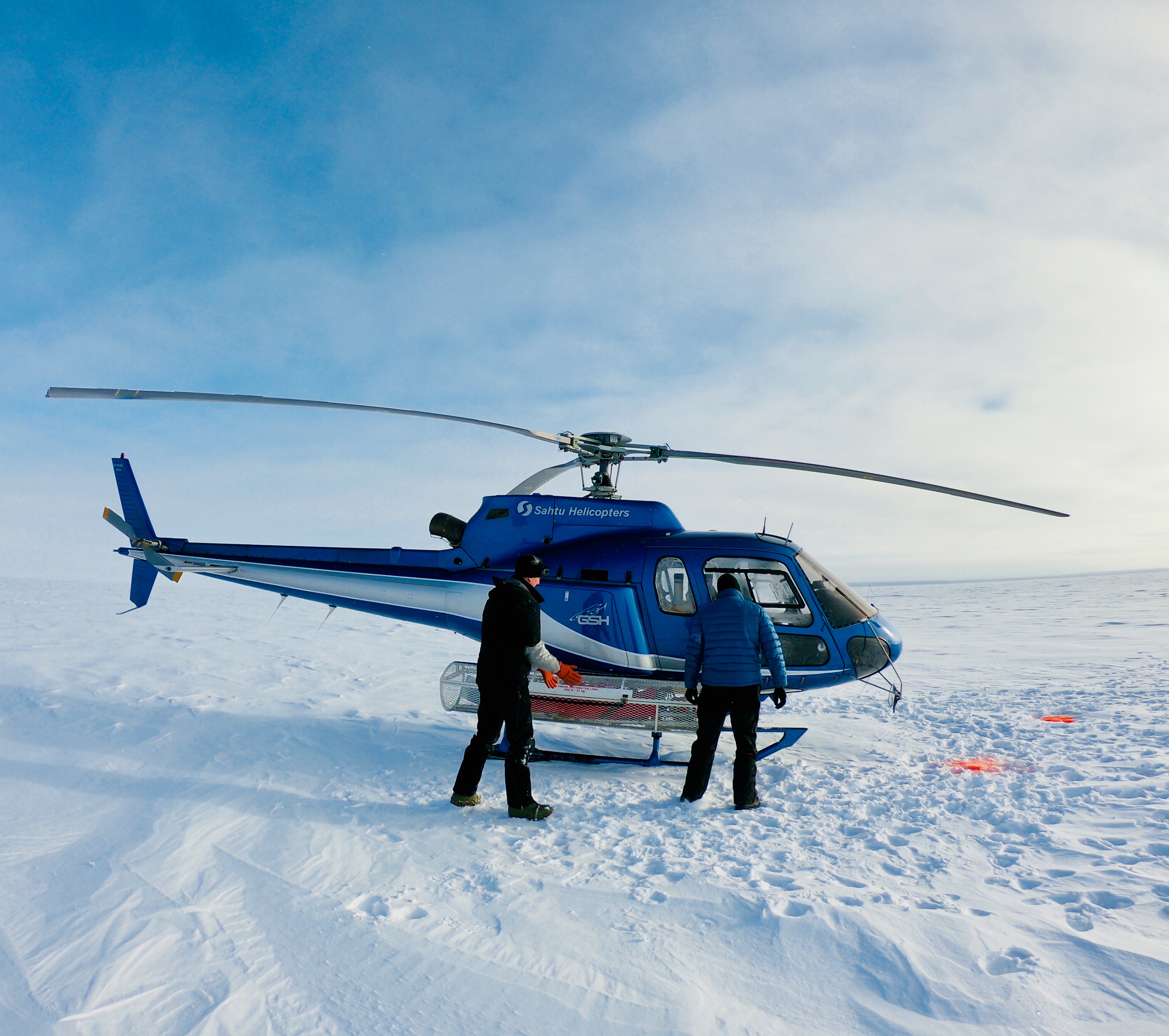
Arriving at sediment coring location on Great Bear Lake.
Photo credit: Andrew Mummery, Environment and Climate Change Canada (ECCC).
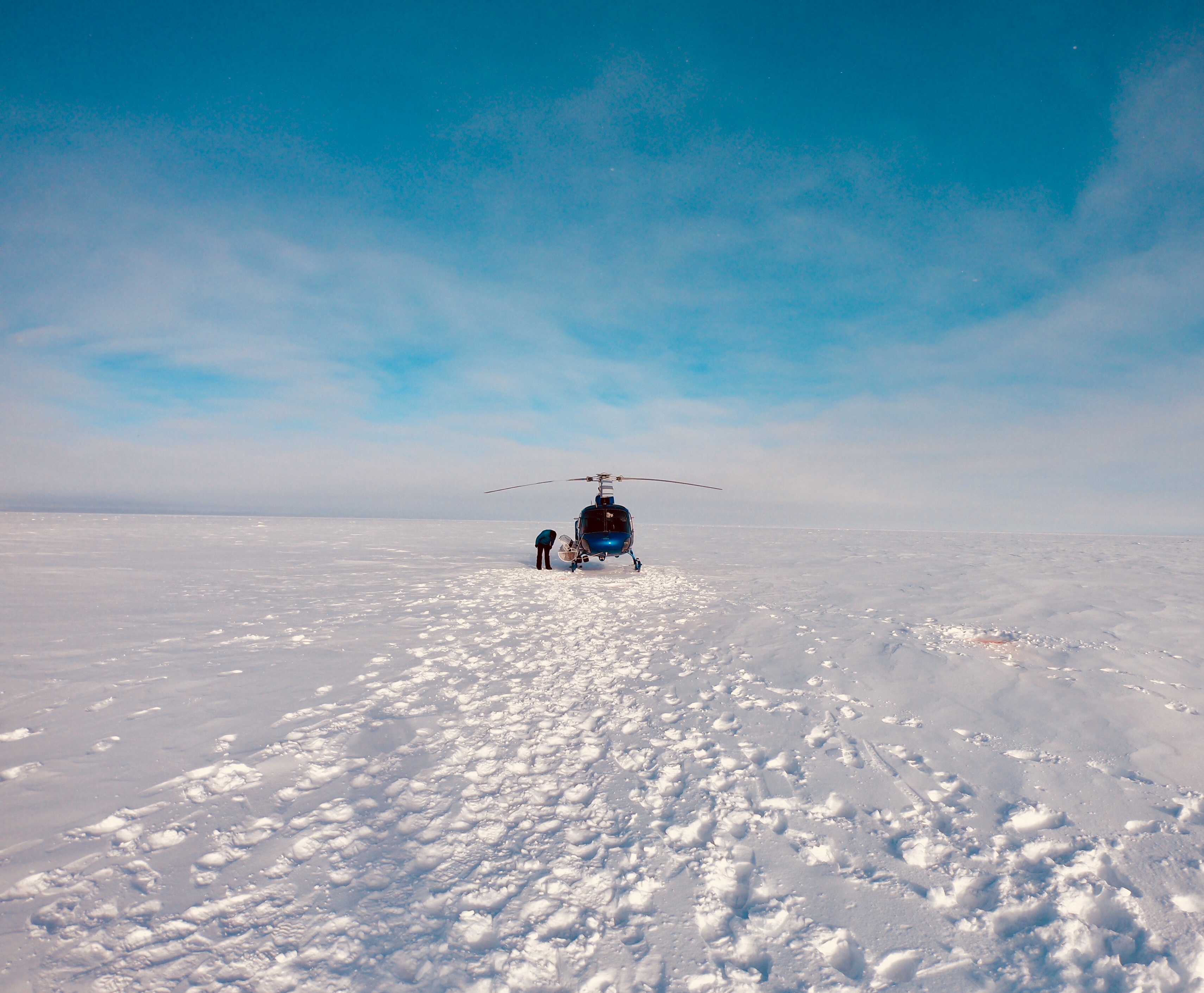
Loading equipment into the helicopter basket before departure from sediment coring location on Great Bear Lake.
Photo credit: Andrew Mummery, Environment and Climate Change Canada (ECCC).
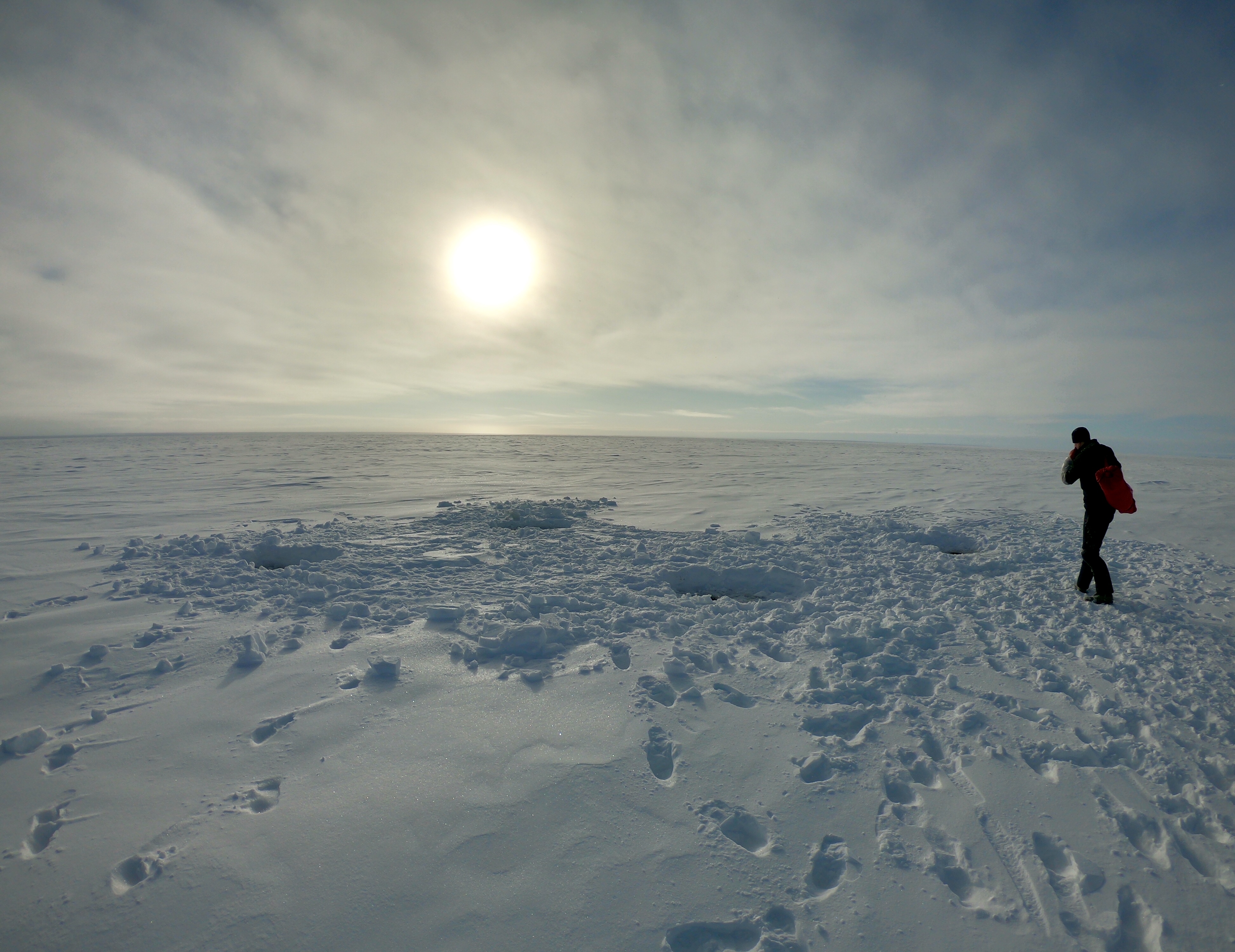
The end of a long day of sediment coring on Great Bear Lake.
Photo credit: Andrew Mummery, Environment and Climate Change Canada (ECCC).
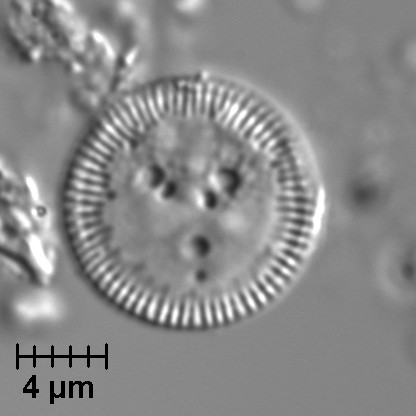
Light microscope image of Pantocsekiella ocellata from the West Basin of Great Slave Lake. It is one of the small-celled cyclotelloid diatoms that dominated the 21st century sediment samples of Great Bear Lake, Great Slave Lake and Lake Hazen.
Photo credit: K. Rühland, Queen's University
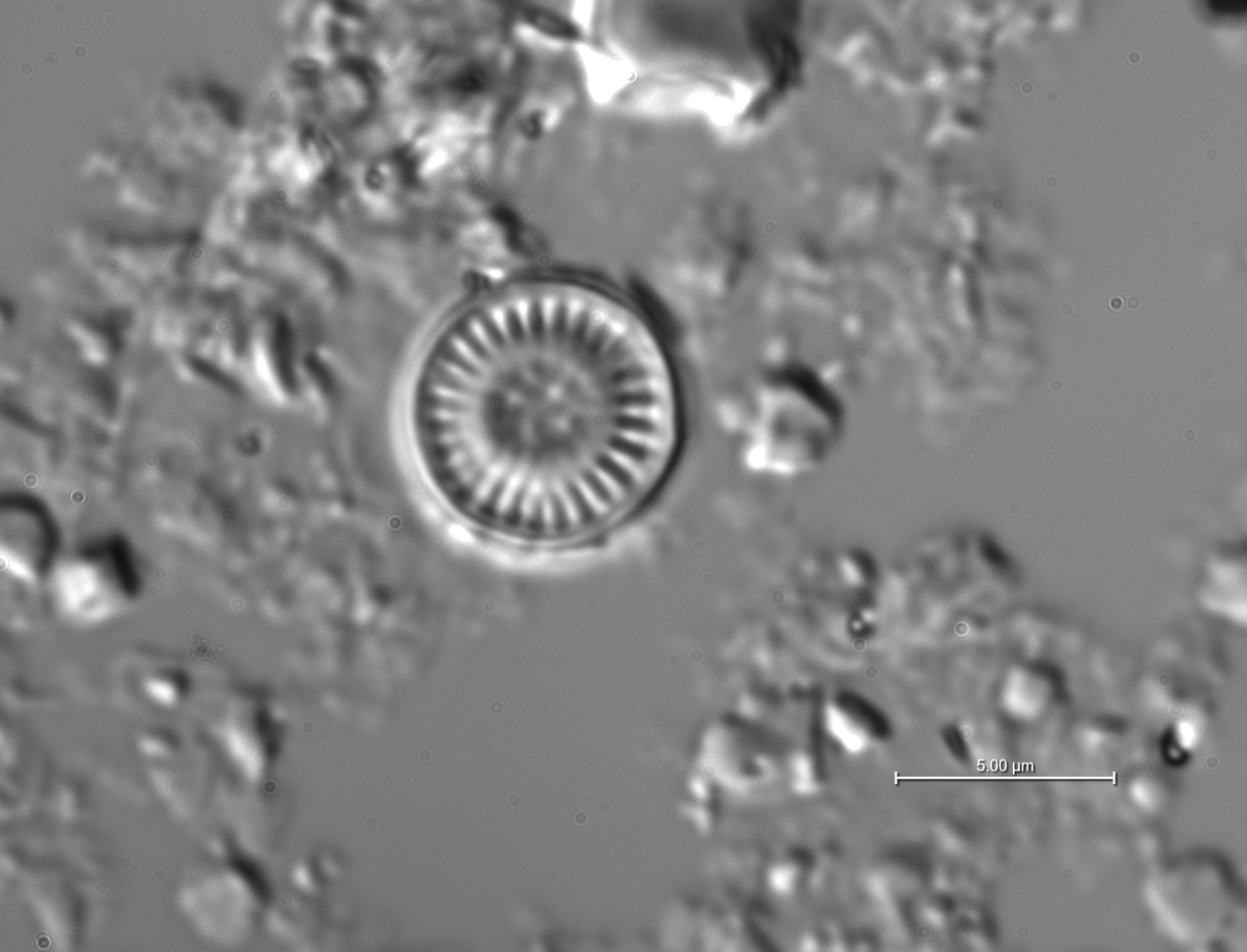
Light microscope image of Discostella stelligera from Smith Arm, Great Bear Lake. This is one of the small-celled cyclotelloid diatoms that dominated the 21st century sediment samples of Great Bear Lake, Great Slave Lake and Lake Hazen.
Photo credit: K. Rühland, Queen's University
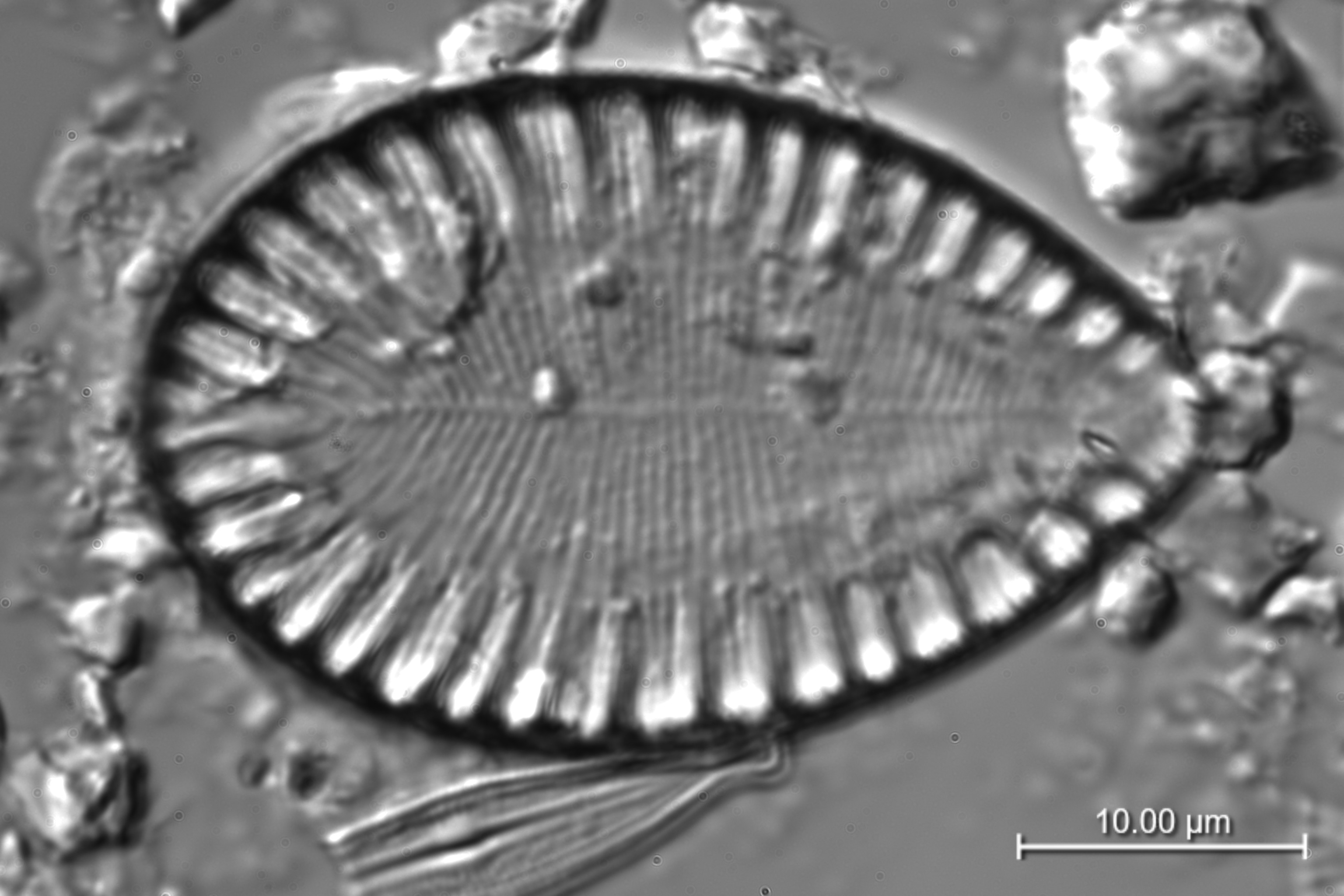
Light microscope image of Surirella taxon from Smith Arm, Great Bear Lake, a benthic diatom that was more common in the pre-2000 sediment samples.
Photo credit: K. Rühland, Queen's University
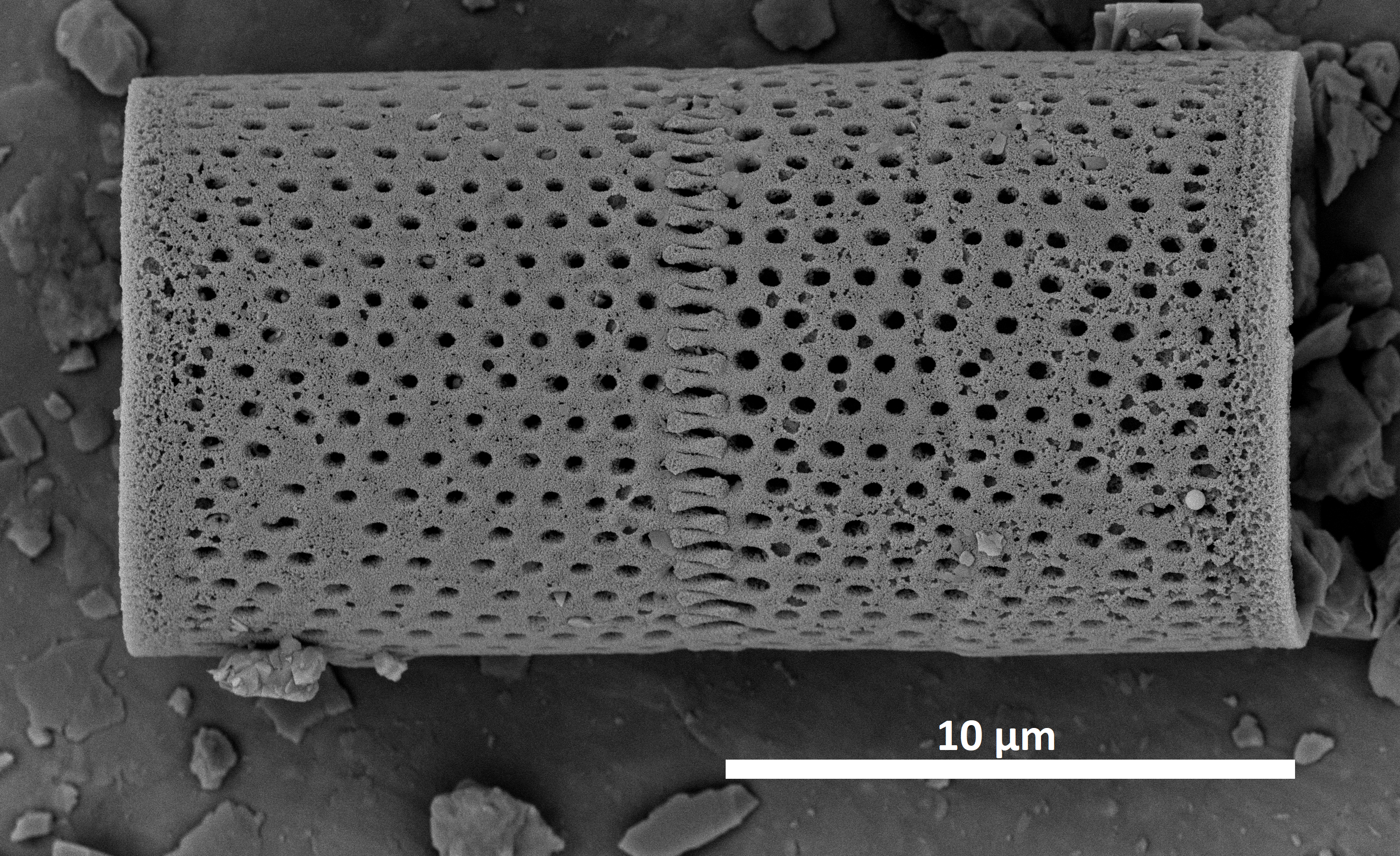
Frustule of Aulacoseira islandica, a large-celled, chain-forming diatom that dominated the pre-2000 CE Great Slave Lake sediment records.
Scanning electron microscope image credit: Paul Hamilton, Canadian Museum of Nature. CANA 131034
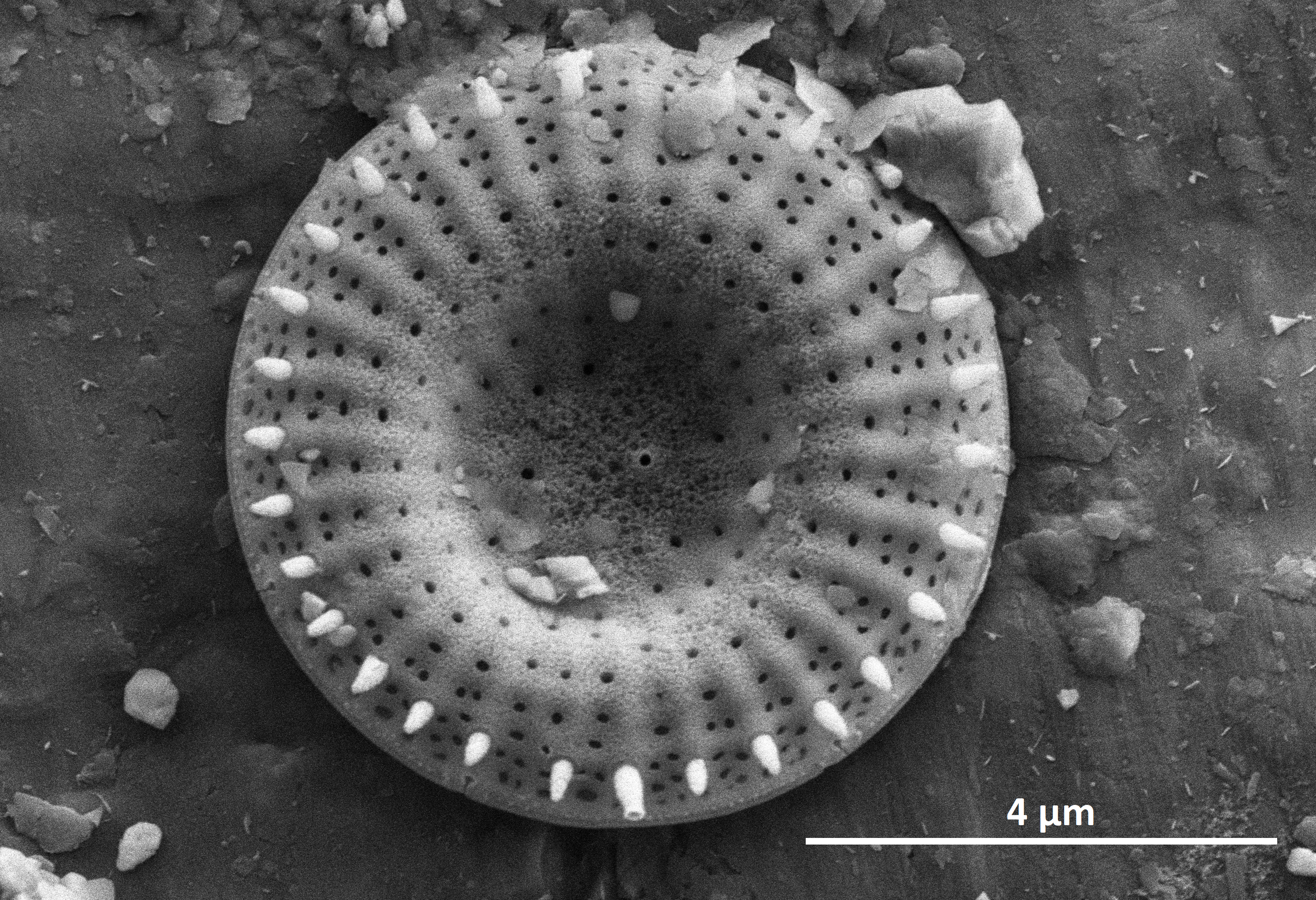
Valve of Stephanodiscus oregonicus (external view), a relatively large-celled diatom that dominated diatom assemblages in the pre-2000 CE sediment samples of Great Slave Lake. No central fultoportula.
Scanning electron microscope image credit: Paul Hamilton, Canadian Museum of Nature. CANA 131034
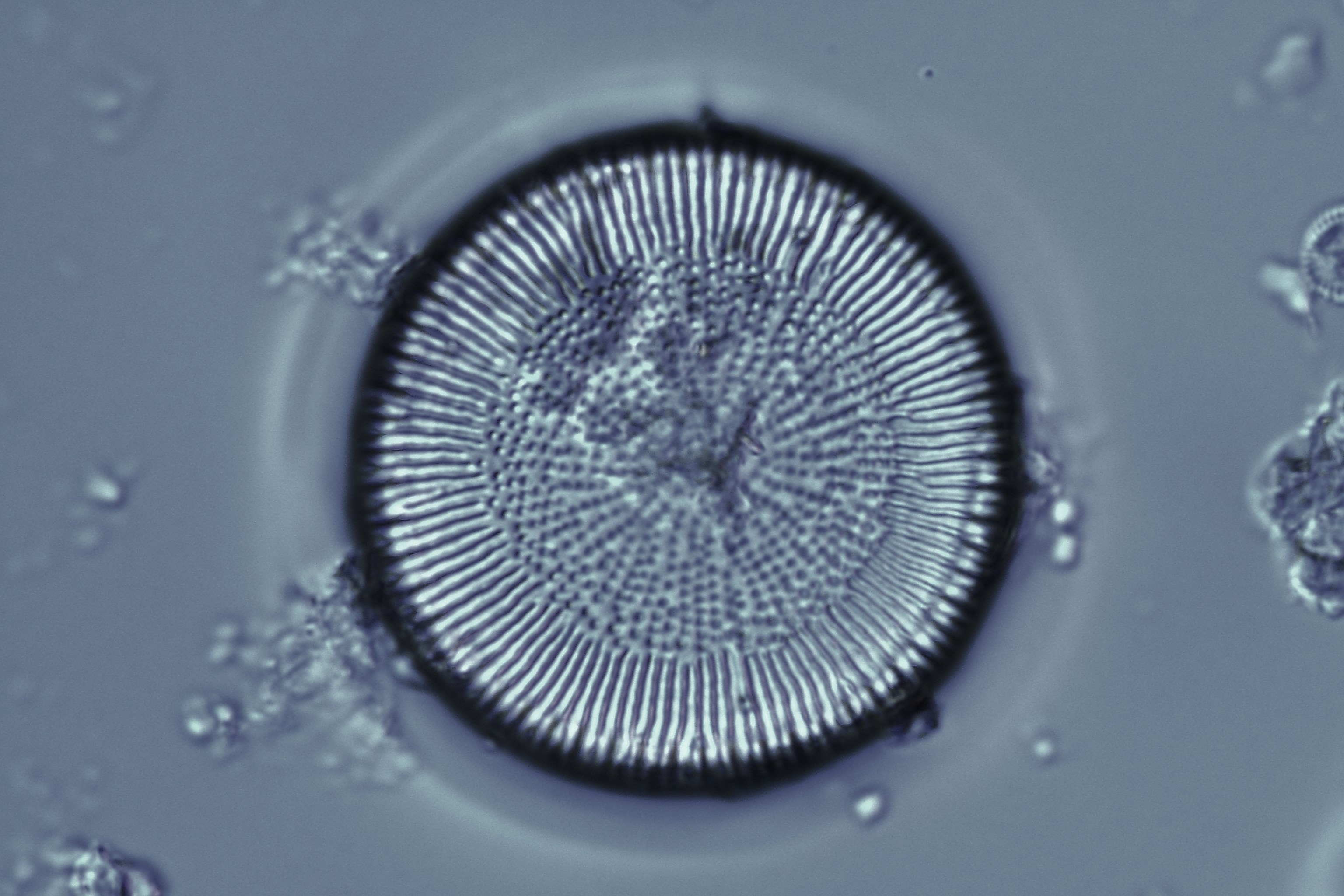
Light microscope image of large-celled Lindavia bodanica, a planktonic diatom that was more common in the pre-2000 CE Great Slave Lake and Great Bear Lake sediment records.
Photo credit: Kathleen M. Rühland, Queen’s University

A light microscope image of large-celled Lindavia intermedia, a planktonic diatom that was more common in the pre-2000 CE Great Slave Lake and Great Bear Lake sediment records.
Photo credit: Kathleen M. Rühland, Queen’s University
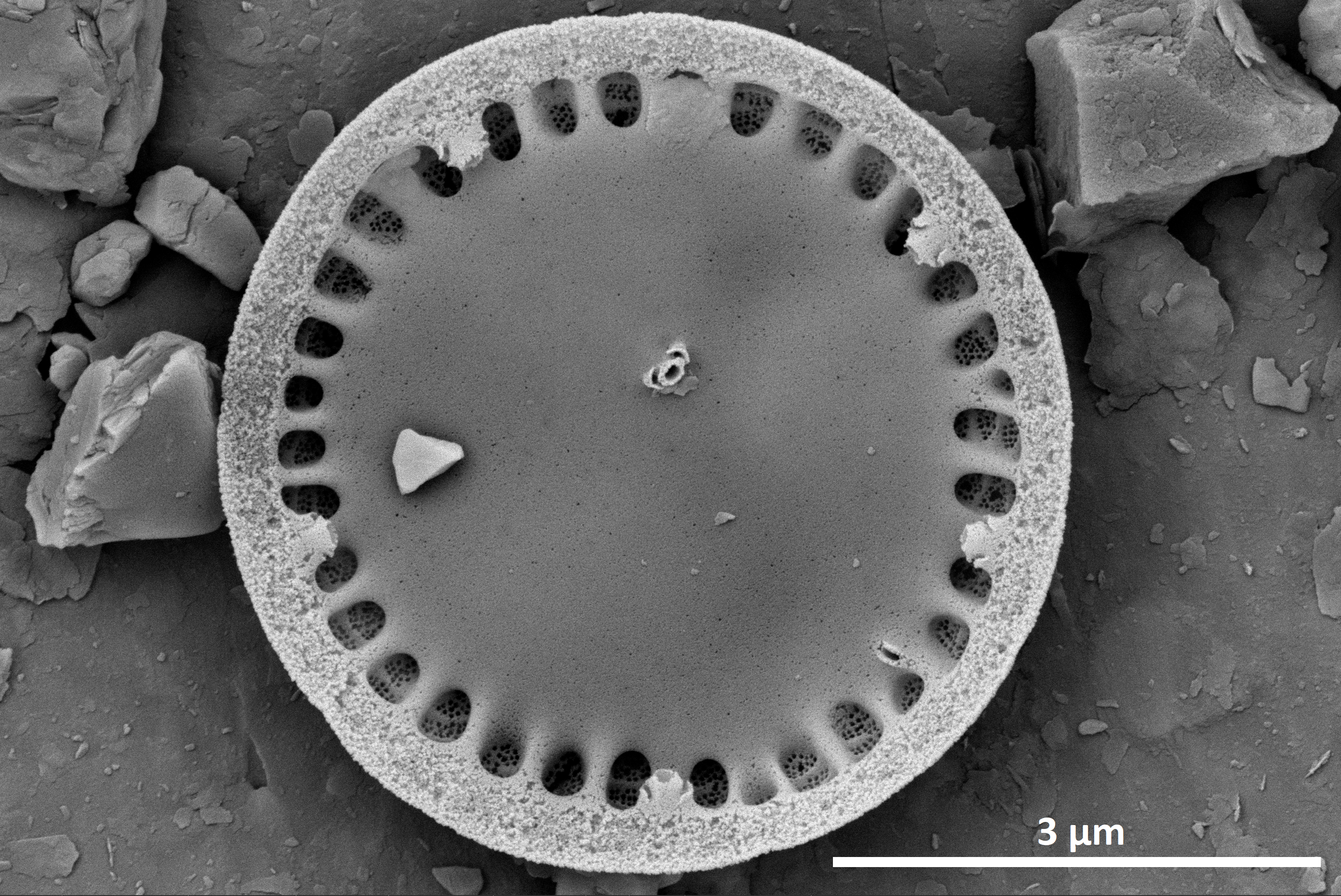
Image of Discostella pseudostelligera (internal view of valve) from the West Basin of Great Slave Lake. This is one of the small-celled cyclotelloid diatoms that dominated the 21st century sediment samples of Great Bear Lake, Great Slave Lake and Lake Hazen.
Scanning electron microscope image credit: Paul Hamilton, Canadian Museum of Nature. CANA 131034
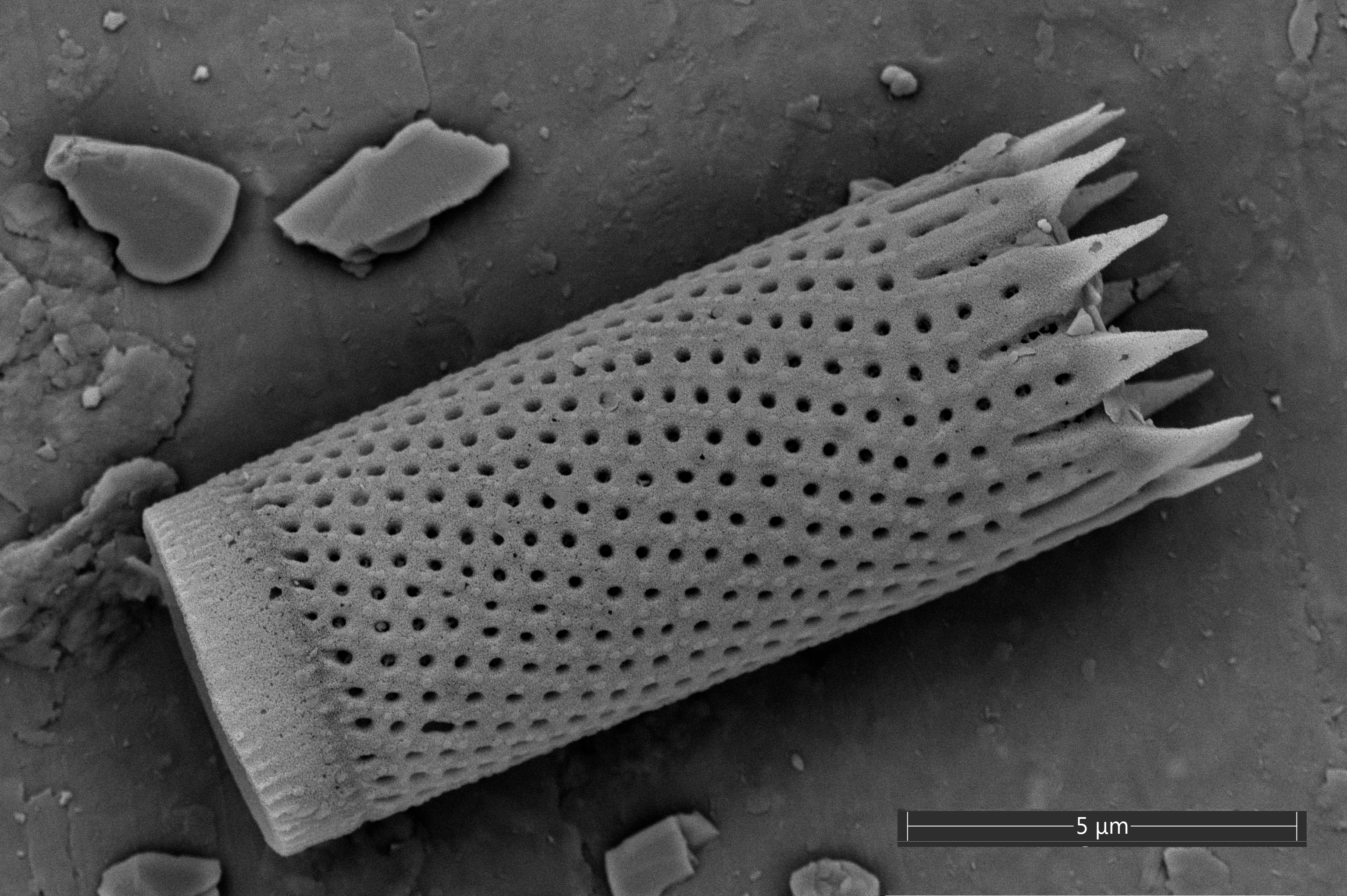
Valve of Aulacoseira subarctica, a heavily silicified, chain-forming diatom that was common in the pre-2000 CE Great Slave Lake sediment records.
Scanning electron microscope image credit: Paul Hamilton, Canadian Museum of Nature. CANA 131034
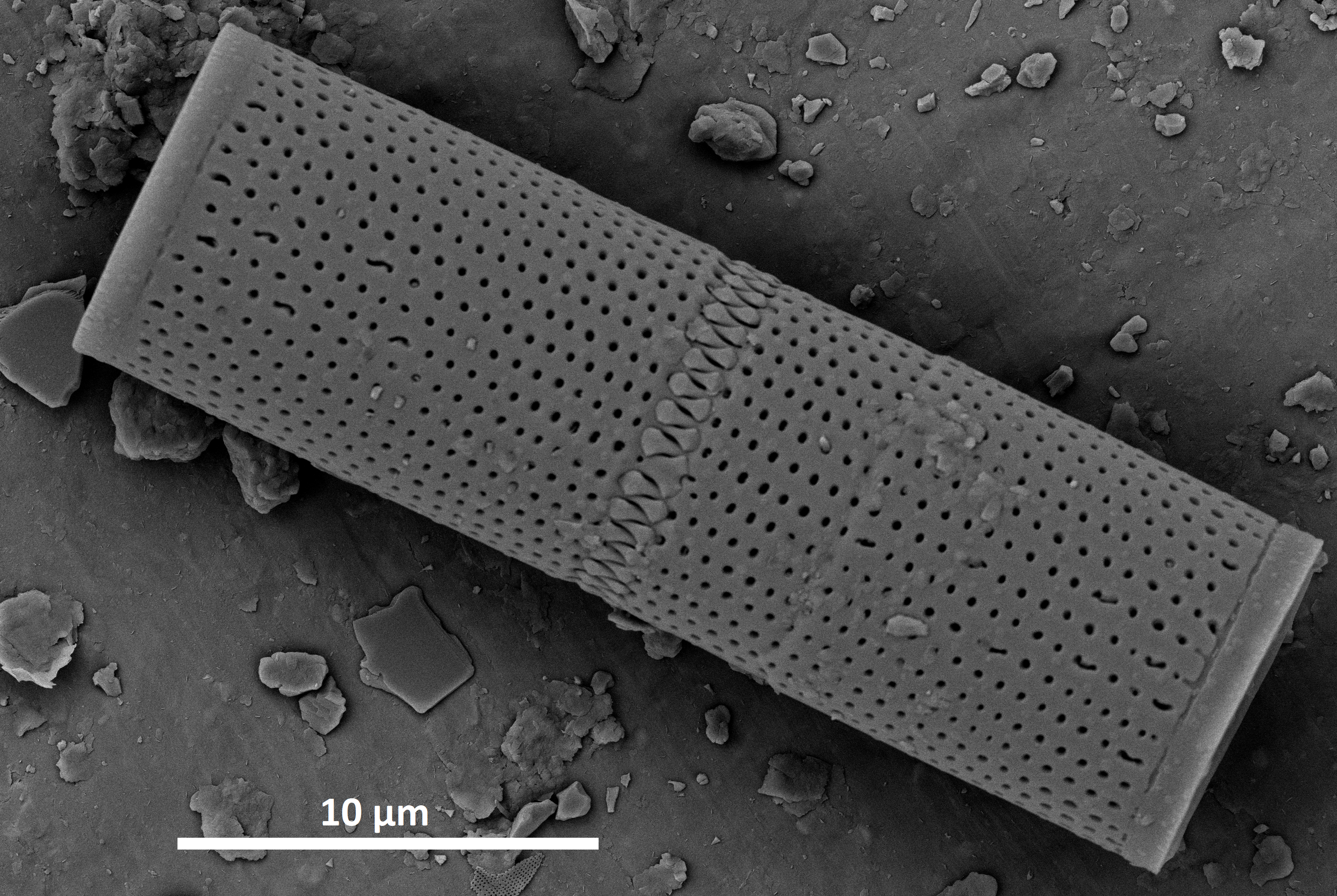
Frustule of Aulacoseira islandica, a large-celled, chain-forming diatom that dominated the pre-2000 CE Great Slave Lake sediment records.
Scanning electron microscope image credit: Paul Hamilton, Canadian Museum of Nature. CANA 131034
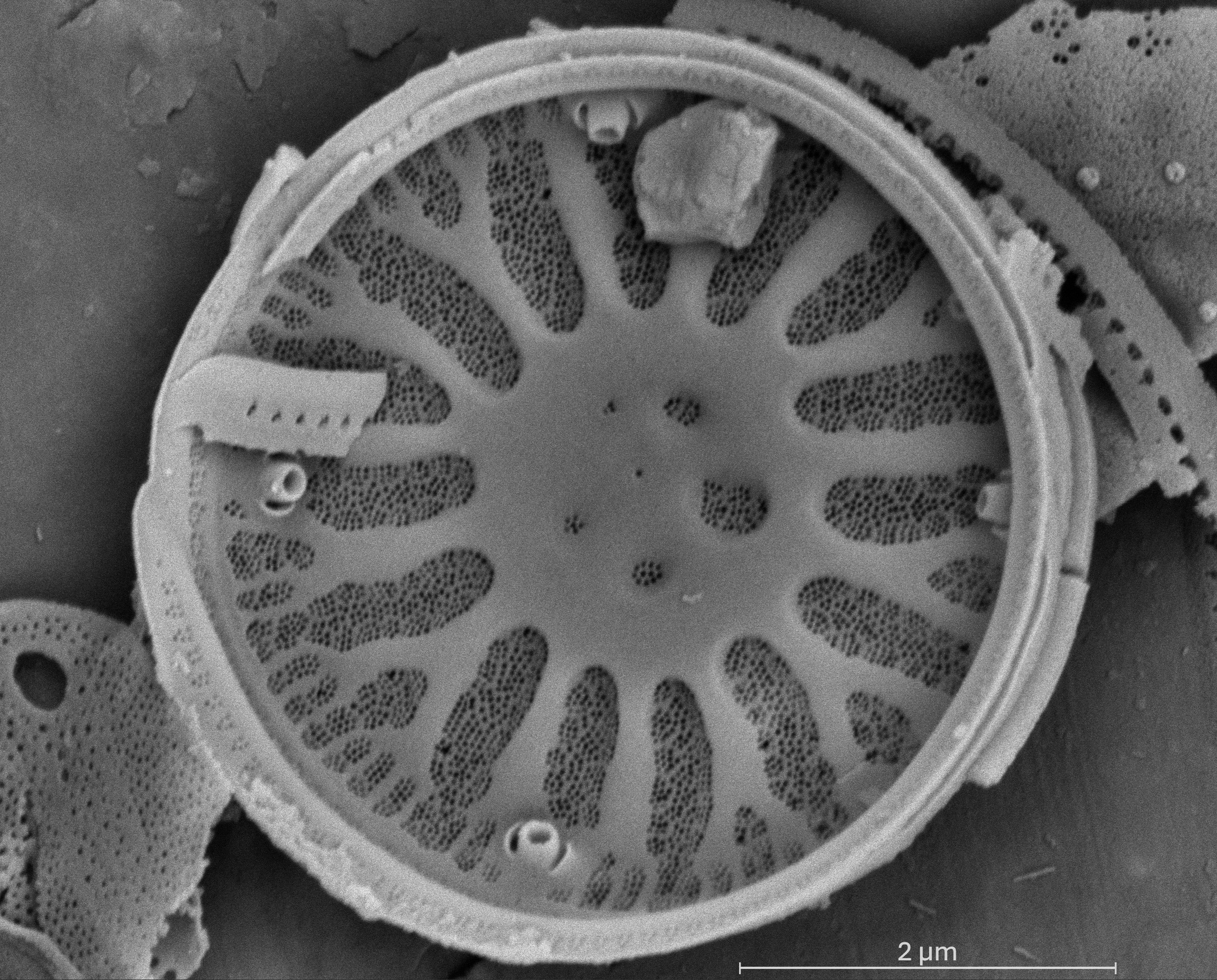
Valve of Discostella species (internal view), one of the small-celled cyclotelloid taxa that dominated the 21st century sediment samples of Great Bear Lake.
Scanning electron microscope image credit: Paul Hamilton, Canadian Museum of Nature. CANA 131045
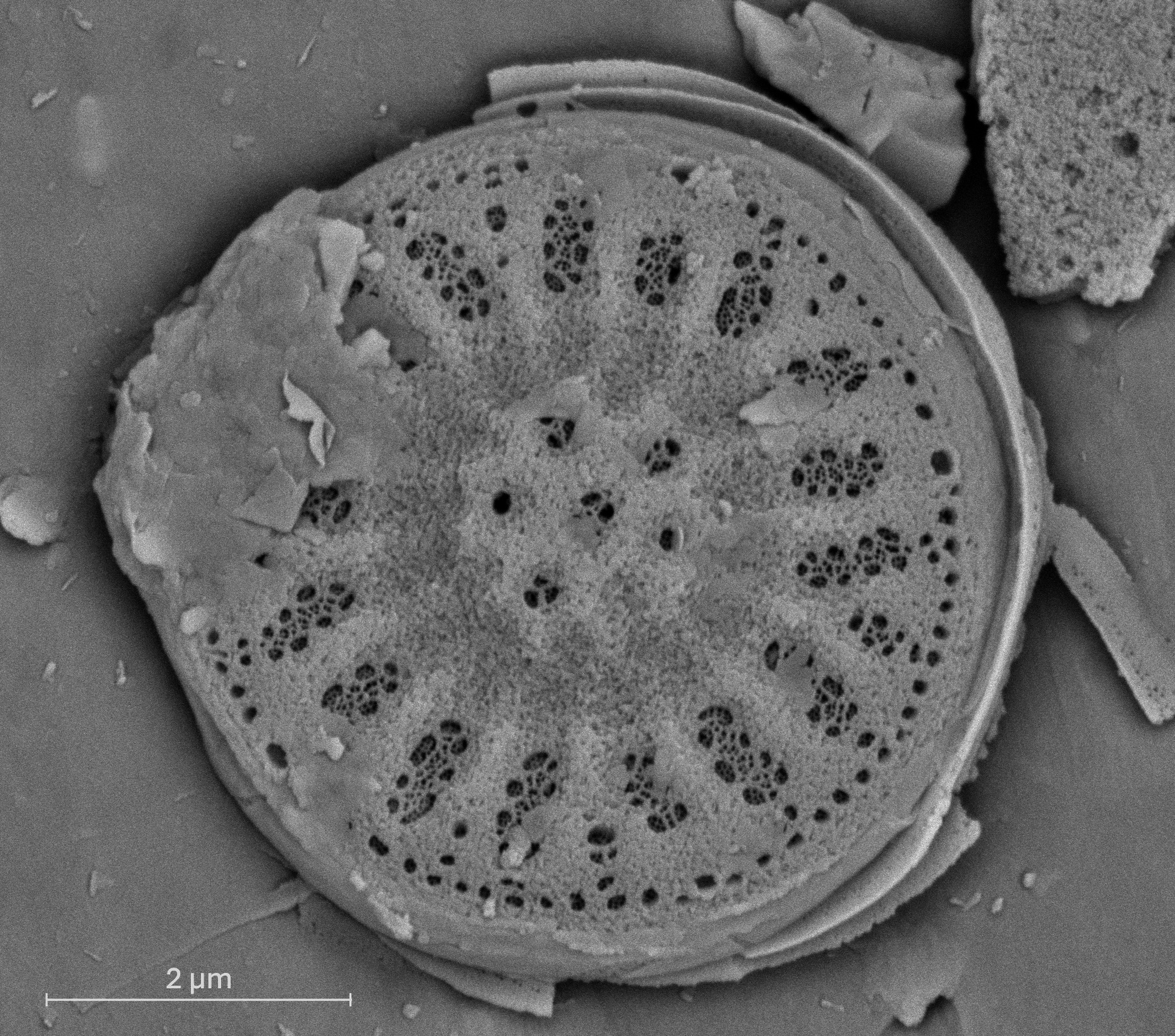
Valve of Discostella species (external view), one of the small-celled cyclotelloid taxa that dominated the 21st century sediment samples of Great Bear Lake.
Scanning electron microscope image credit: Paul Hamilton, Canadian Museum of Nature. CANA 131045
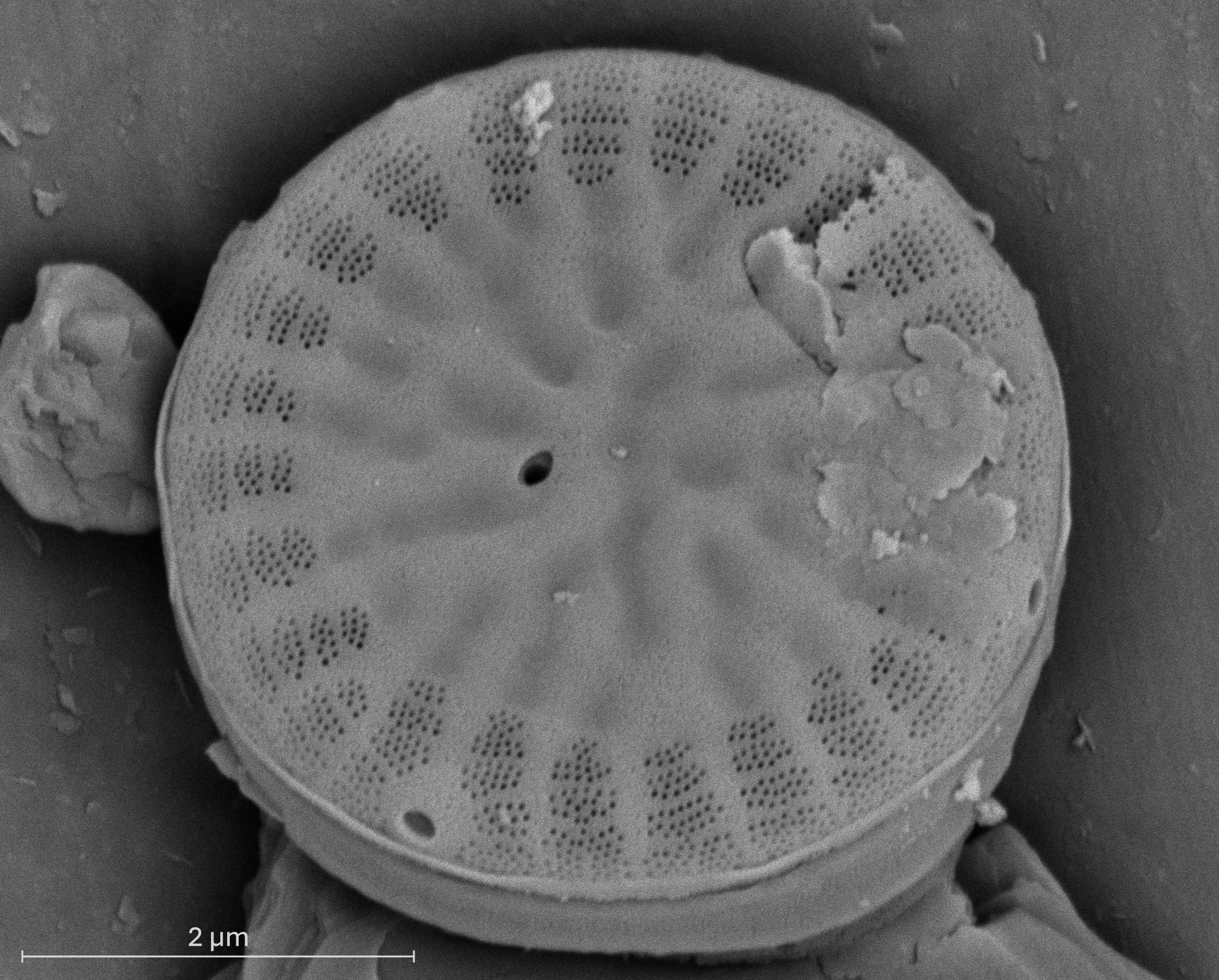
Valve of Pantocsekiella comensis (external view) from Great Bear Lake, one of the small-celled cyclotelloid taxa that dominated the 21st century sediment samples of the three “Northern Great Lakes”.
Scanning electron microscope image credit: Paul Hamilton, Canadian Museum of Nature. CANA 131045
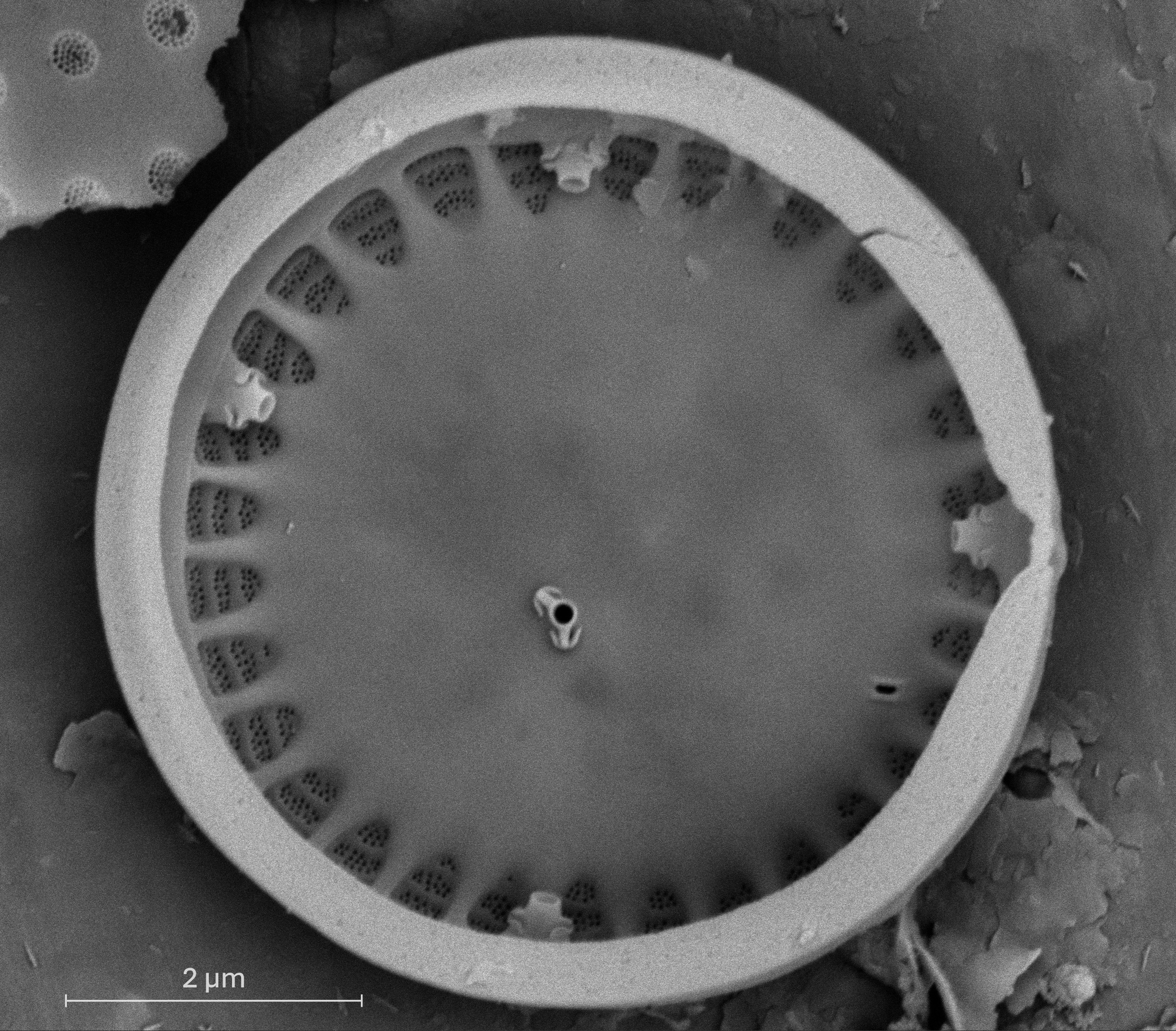
Valve of Pantocsekiella comensis (internal view) from Great Bear Lake, one of the small-celled cyclotelloid taxa that dominated the 21st century sediment samples of the three “Northern Great Lakes”.
Scanning electron microscope image credit: Paul Hamilton, Canadian Museum of Nature. CANA 131045
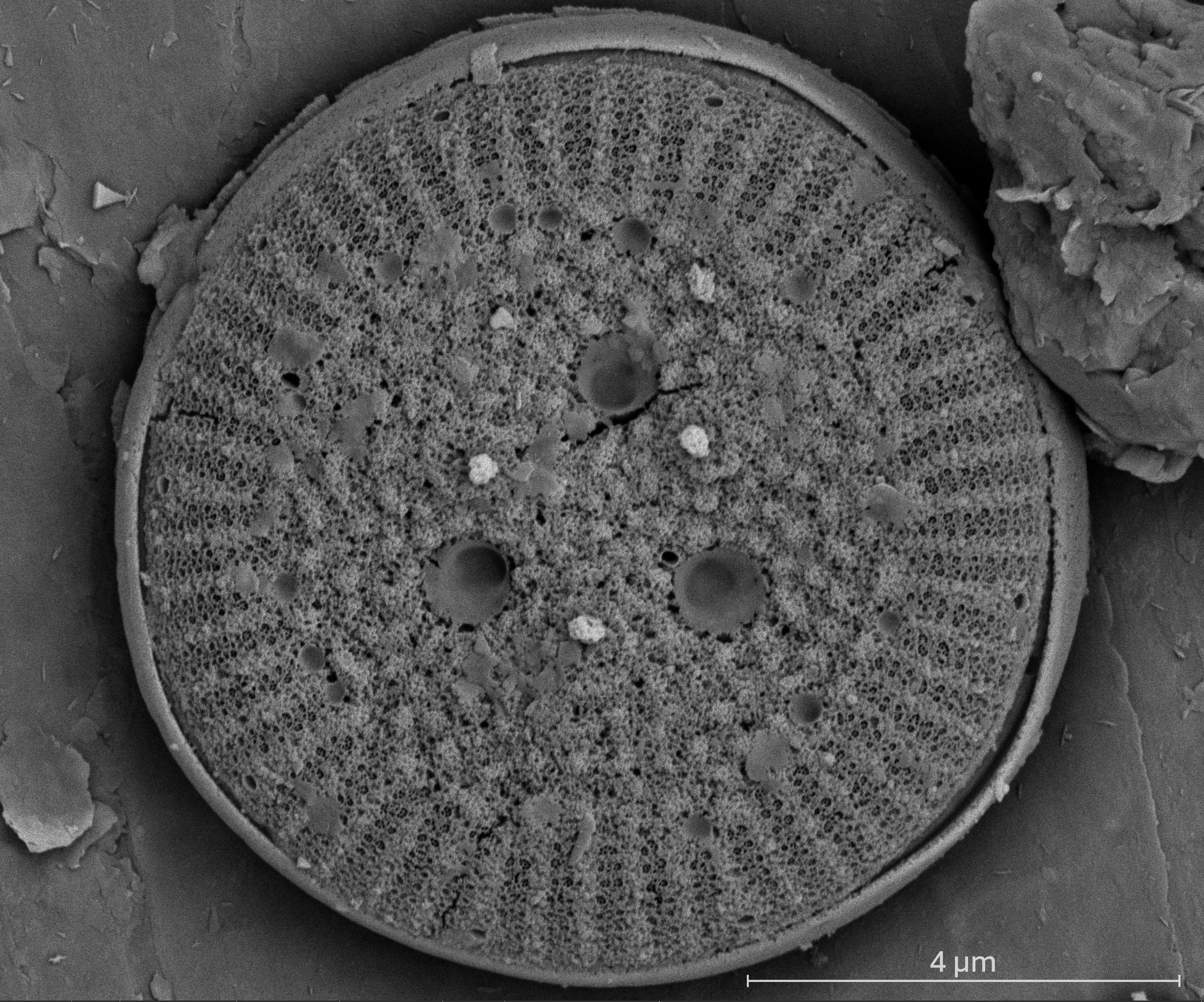
Valve of Pantocsekiella ocellata (external view) from Great Bear Lake, one of the small-celled cyclotelloid taxa that dominated the 21st century sediment samples of the three “Northern Great Lakes”
Scanning electron microscope image credit: Paul Hamilton, Canadian Museum of Nature. CANA 131045
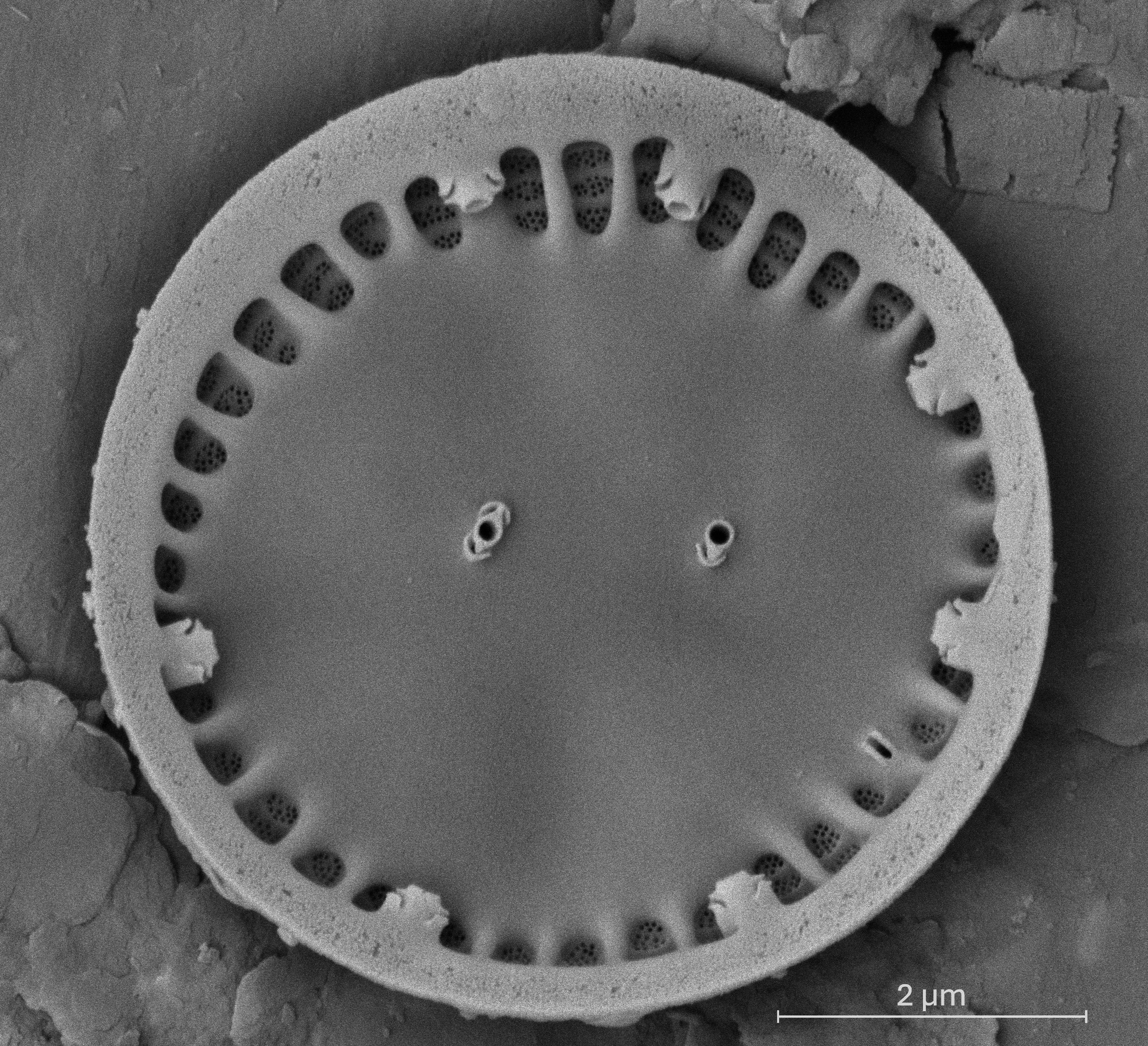
Valve of Pantocsekiella ocellata (internal view) from Great Bear Lake, one of the small-celled cyclotelloid taxa that dominated the 21st century sediment samples of the three “Northern Great Lakes”.
Scanning electron microscope image credit: Paul Hamilton, Canadian Museum of Nature. CANA 131045
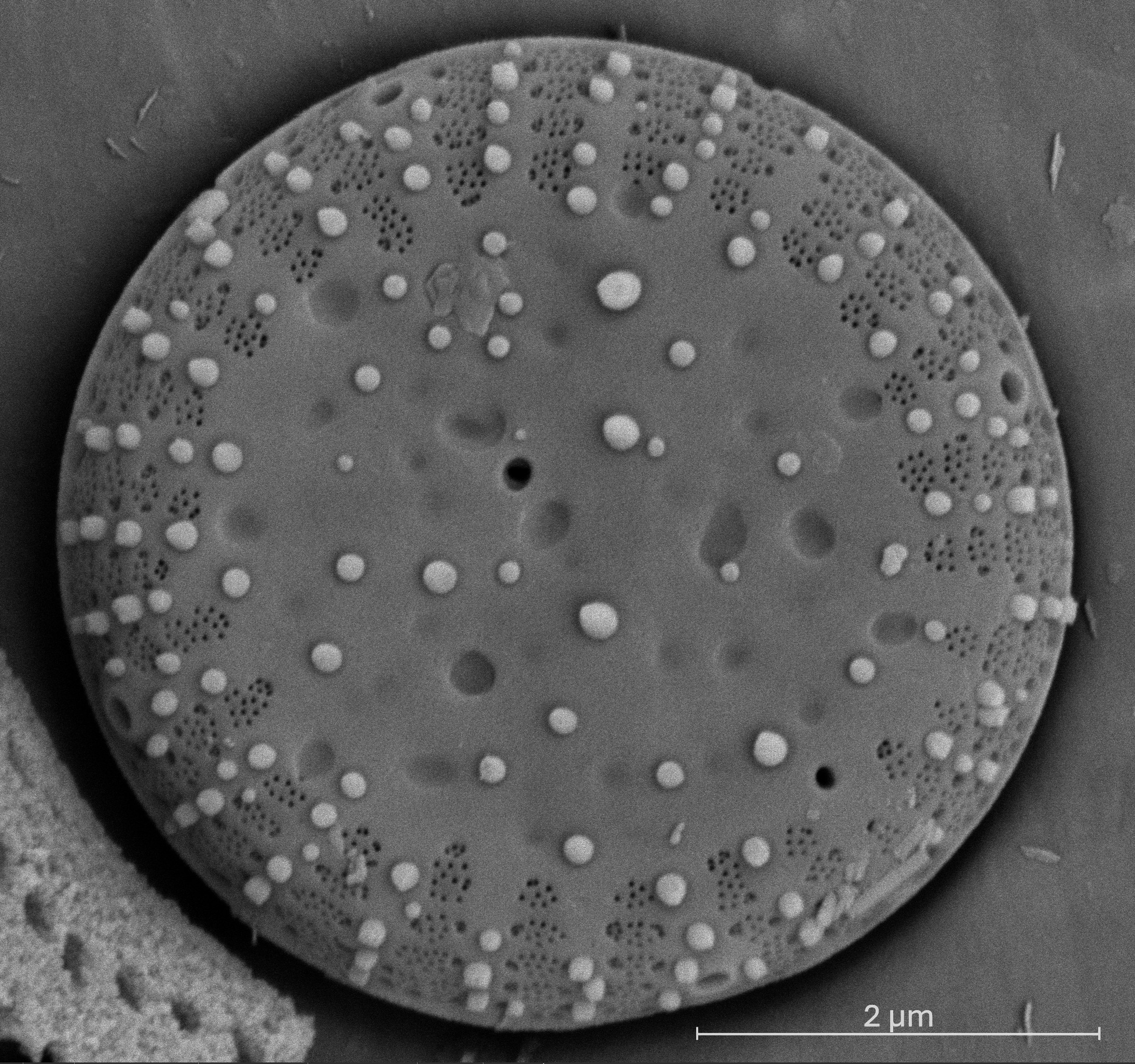
Valve of Pantocsekiella tripartita (external view), one of the small-celled cyclotelloid taxa that dominated the 21st century sediment samples of Great Bear Lake.
Scanning electron microscope image credit: Paul Hamilton, Canadian Museum of Nature. CANA 131045
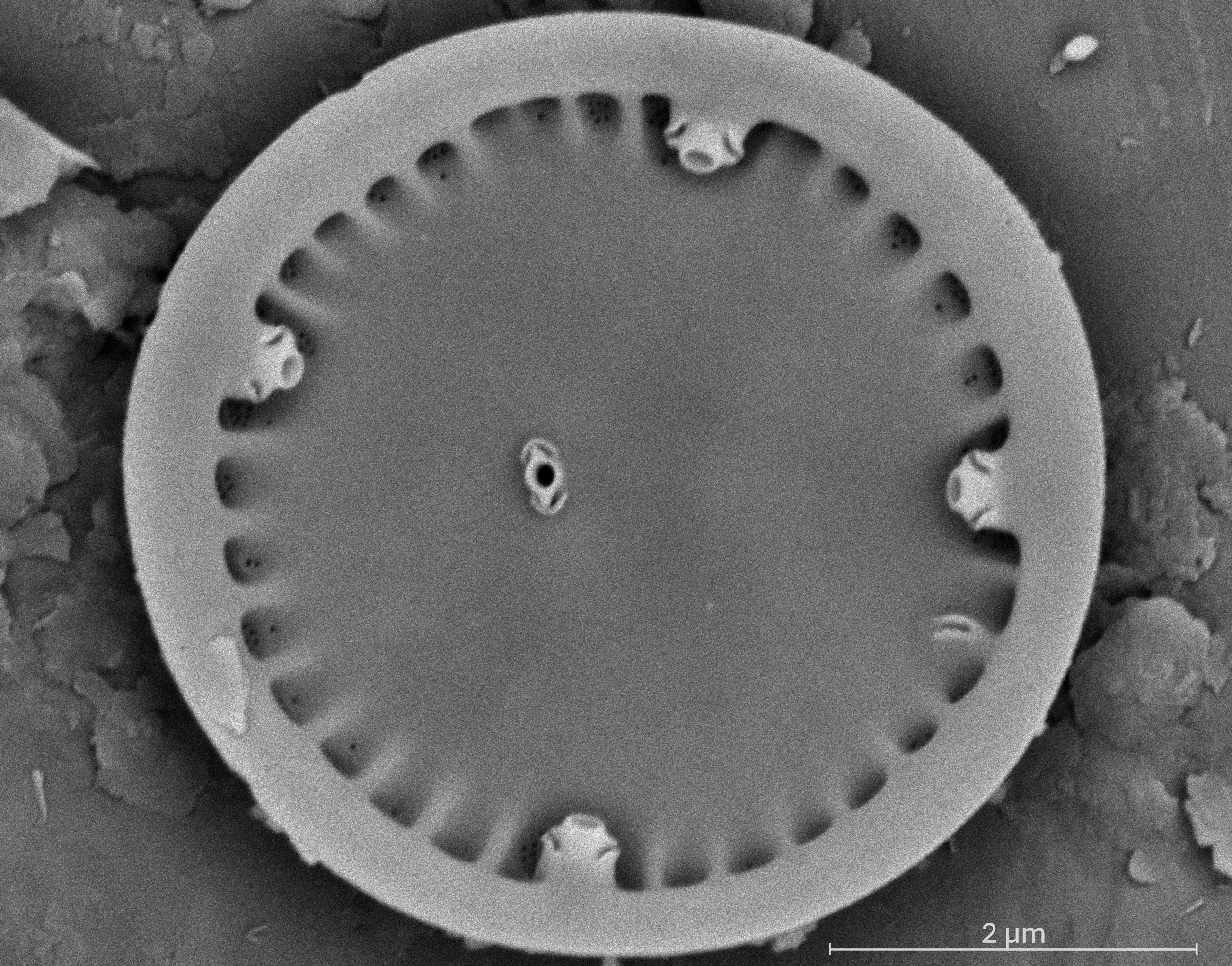
Valve of Pantocsekiella tripartita (internal view), one of the small-celled cyclotelloid taxa that dominated the 21st century sediment samples of Great Bear Lake.
Scanning electron microscope image credit: Paul Hamilton, Canadian Museum of Nature. CANA 131045
Back to Northern Great Lakes Press Release page
|
|